Things to Do in Rome: Your Ultimate Guide to the Eternal City
Rome wasn’t built in a day, and you certainly can’t explore it in one either. The Eternal City is a magnificent blend of ancient history, vibrant culture, mouthwatering cuisine, and unforgettable experiences that captivate millions of travelers every year. Whether you’re a first-time visitor or returning for another adventure, discovering the best things to do in Rome requires proper planning and insider knowledge.
From iconic monuments that have stood for millennia to hidden neighborhoods bursting with authentic Italian charm, Rome offers something extraordinary at every turn. This comprehensive guide will help you navigate the city’s treasures, from must-see landmarks to nighttime adventures, airport activities, and even beach escapes.
Ancient Wonders That Define Rome
Step back in time as you explore the architectural marvels that made Rome the center of one of history’s greatest empires. These ancient wonders aren’t just tourist attractions but living testaments to human ingenuity and ambition.
The Colosseum stands as Rome’s most recognizable landmark and for good reason. This massive amphitheater, constructed between 70 and 80 AD, once hosted gladiatorial contests, mock sea battles, and theatrical performances for up to 80,000 spectators.
Walking through its weathered corridors, you can almost hear the roar of ancient crowds. To truly appreciate this marvel, consider booking a guided tour that includes access to the underground chambers where gladiators and wild animals awaited their dramatic entrances.Skip-the-line tickets are essential here, as queues can stretch for hours during peak season.
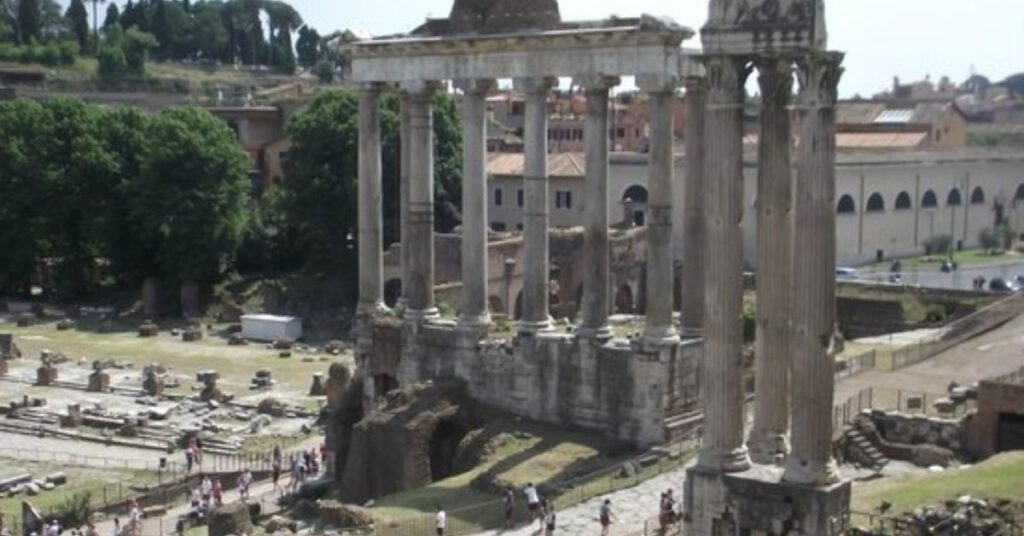
Wander among the ruins of temples, basilicas, and government buildings that once buzzed with senators, merchants, and citizens conducting the business of the empire. Palatine Hill, where legend says things to do in Rome was founded, provides stunning panoramic views of the Forum below and the city beyond.
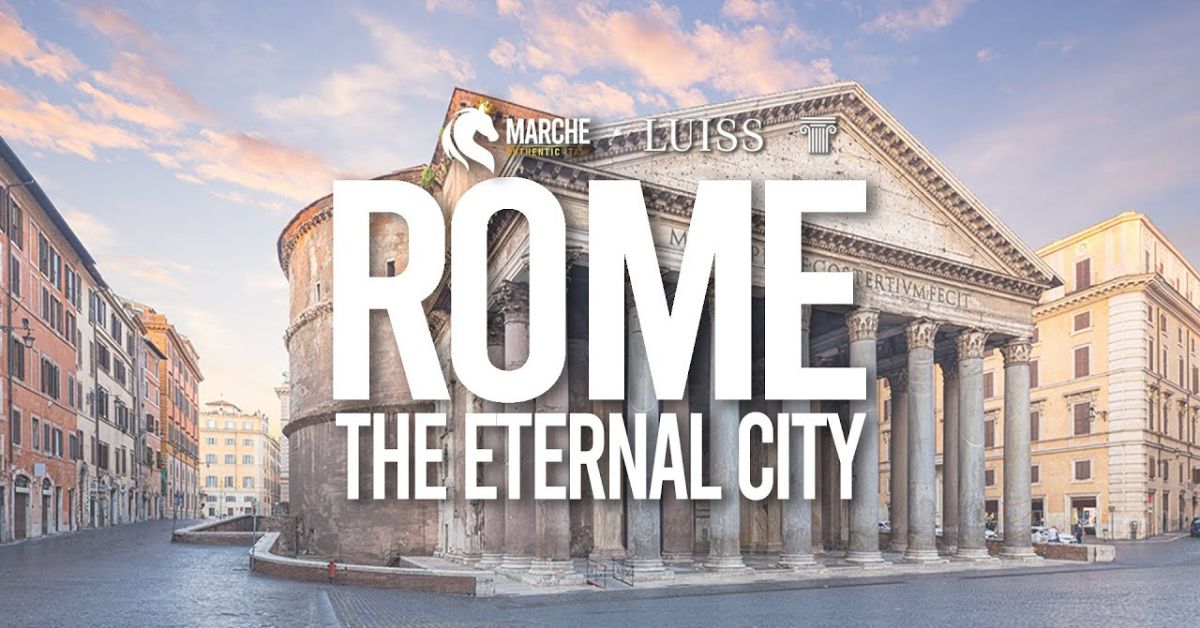
The Pantheon remains one of the best-preserved buildings from ancient things to do in Rome and an architectural masterpiece. Originally built as a temple to all Roman gods, its massive concrete dome featuring a central oculus has influenced architects for nearly 2,000 years.
The way natural light streams through the opening creates an almost ethereal atmosphere inside. Best of all, entry to the Pantheon is free, though you should expect crowds throughout the day.
For More Information Visit Website …..
Vatican City and Religious Treasures
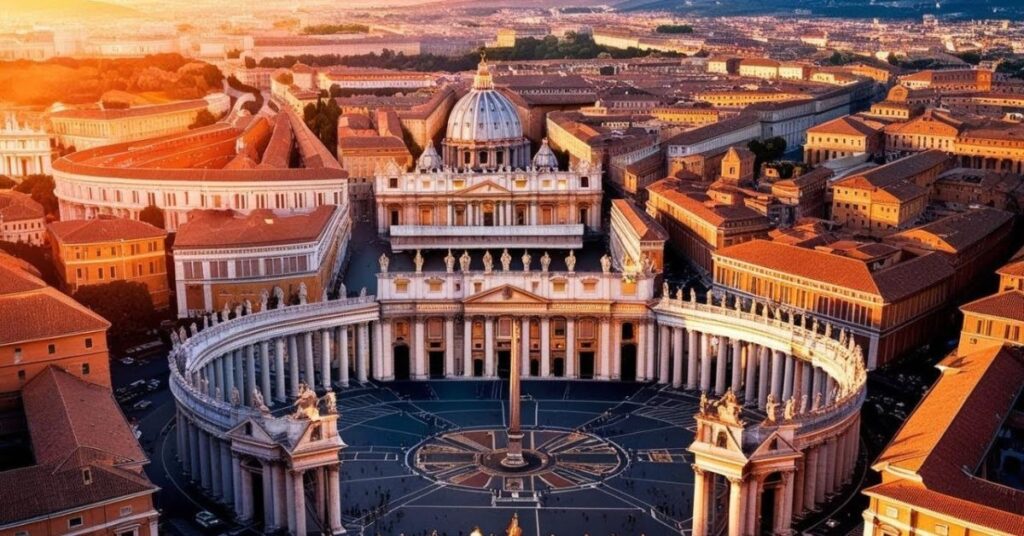
Vatican City, the world’s smallest independent state, houses some of humanity’s greatest artistic and spiritual treasures. This religious epicenter demands at least half a day of your things to do in the Rome itinerary.
However, most visitors come for one specific destination: the Sistine Chapel. Michelangelo’s breathtaking ceiling frescoes, particularly “The Creation of Adam,” represent the pinnacle of Renaissance art.
The recently restored “Last Judgment” on the altar wall is equally magnificent. Book tickets well in advance and consider an early morning or evening tour to avoid the worst crowds.St. Peter’s Basilica stands as one of the world’s largest and most beautiful churches. The moment you step inside, the sheer scale takes your breath away.
Michelangelo’s Pietà, protected behind glass near the entrance, showcases the sculptor’s genius in capturing both sorrow and serenity in marble. For the adventurous, climbing the 551 steps to the top of the dome rewards you with spectacular views across things to do in Rome.
Don’t miss St. Peter’s Square, designed by Bernini with its sweeping colonnades that seem to embrace visitors. Arriving early morning allows you to appreciate the square’s beauty without fighting through your groups.
Iconic Squares and Fountains
Rome’s piazzas serve as the city’s living rooms, where locals and visitors gather, socialize, and soak in the atmosphere. These public spaces showcase the best of Roman life and architectural beauty.
The Trevi Fountain might be Rome’s most photographed spot, and deservedly so. This Baroque masterpiece depicts Neptune flanked by Tritons, with water cascading dramatically over carved rocks.
Legend says tossing a coin over your shoulder into the fountain guarantees your return to things to do in Rome. While the tradition might seem touristy, there’s something magical about making your wish at this spectacular monument.
Visit after 10 PM when crowds thin significantly, allowing you to fully appreciate its beauty and perhaps snap that perfect photo without dozens of strangers in the frame. Seeing the fountain illuminated at night is definitely one of the best things to do in Rome at night.
Piazza Navona, built on the site of an ancient stadium, features three magnificent fountains including Bernini’s Fountain of the Four Rivers. The square comes alive with street artists, musicians, and outdoor cafes serving overpriced but atmospheric aperitivos.
The baroque architecture surrounding the square creates a theatrical backdrop perfect for people-watching. While the restaurants here cater heavily to tourists, grabbing a gelato and finding a spot to observe Roman life unfold makes for a delightful afternoon.
The Spanish Steps connect Piazza di Spagna with the Trinità dei Monti church above. These 135 steps have served as a gathering place for centuries, though sitting on them is now prohibited.
Exploring Rome’s Charming Neighborhoods
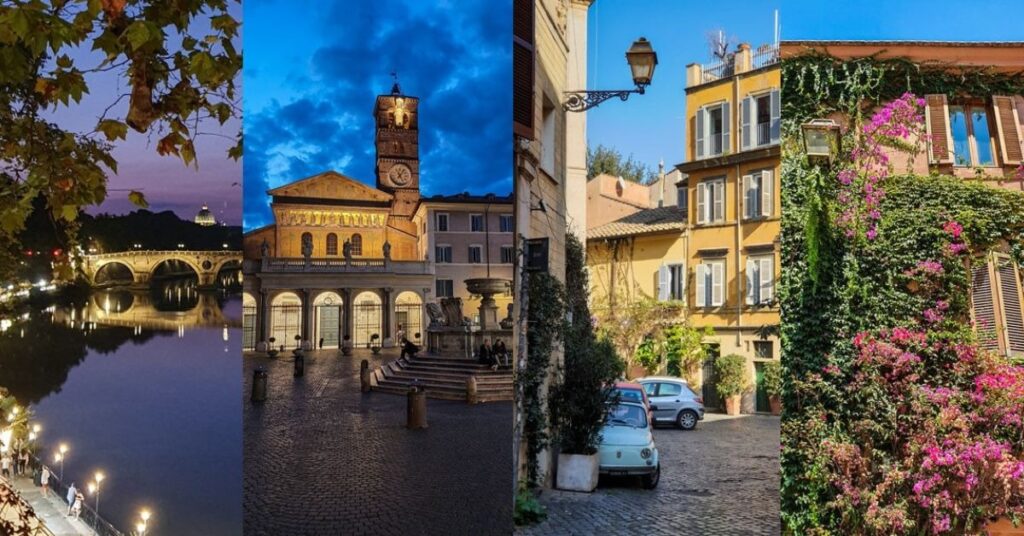
Beyond the major monuments, Rome’s diverse neighborhoods each offer distinct personalities and authentic local experiences. Venturing into these areas reveals the soul of the city.Trastevere, on the Tiber’s west bank, maintains a village-like atmosphere despite its popularity. Narrow cobblestone lanes wind between ochre-colored buildings draped with ivy and flowering plants.
By day, explore artisan workshops and vintage boutiques. As evening falls, Trastevere transforms into one of Rome’s liveliest dining and nightlife districts.Traditional trattorias serve authentic Roman cuisine at more reasonable prices than the historic center. Many of the best things to do in Rome at night happen in this charming neighborhood.
The bars and restaurants here buzz with both locals and visitors until late. Piazza Santa Maria becomes an impromptu gathering spot where travelers and Romans mingle over drinks.Monti, near the Colosseum, offers a hipper, more bohemian vibe. This former working-class district has evolved into one of Rome’s trendiest areas without losing its authentic character.
Culinary Adventures in Rome
No visit to things to do in Rome is complete without indulging in its legendary food scene. Roman cuisine, while rooted in simple peasant traditions, delivers incredible flavors that have conquered the world.
Four classic pasta dishes define Roman cooking: carbonara, amatriciana, cacio e pepe, and gricia. Each showcases the Roman philosophy of using few high-quality ingredients to create maximum flavor.
Carbonara combines eggs, pecorino cheese, guanciale (cured pork jowl), and black pepper into a creamy sauce without a drop of cream. When prepared correctly, it’s silky, rich, and utterly addictive.
Seeking out authentic versions of these dishes ranks among the most delicious things to do in Rome Italy.For the best carbonara, locals point to Flavio al Velavevodetto in Testaccio or Roscioli near Campo de’ Fiori. These establishments honor traditional recipes while maintaining exceptional quality.
Roman pizza differs significantly from Neapolitan style. The crust is thinner and crispier, creating a perfect vehicle for fresh toppings. Pizza al taglio (pizza by the slice) shops dot every neighborhood, offering quick, affordable, and delicious meals.
Discovering Rome After Dark
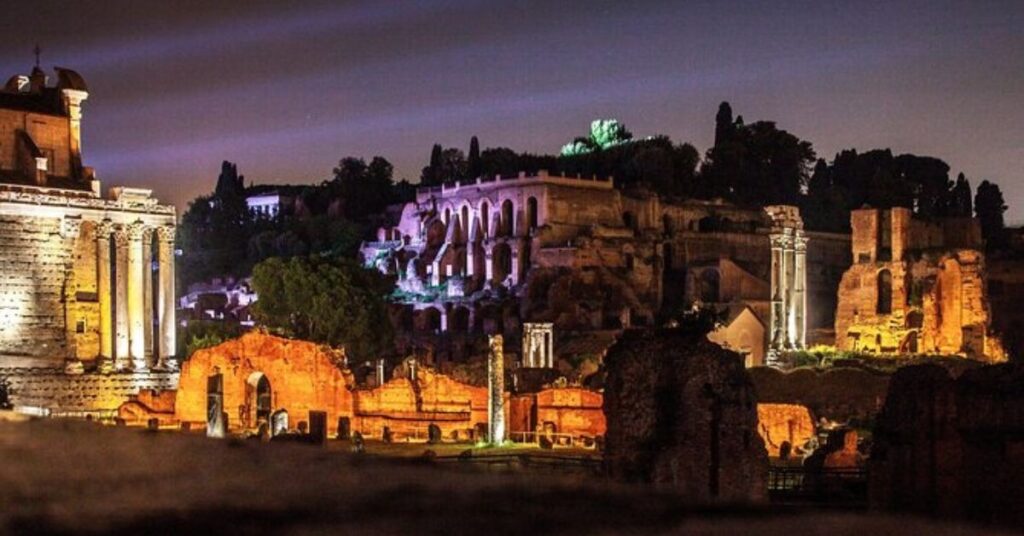
When the sun sets, things to do in Rome reveal a different kind of magic. The cooler evening temperatures make walking pleasant, monuments glow under golden lights, and the city’s social life comes alive.Evening strolls past illuminated monuments create unforgettable memories. The Colosseum lit against the night sky appears even more dramatic than during daylight hours.
The Pantheon’s columned facade glows warmly, and fountains sparkle under spotlights. Walking from Piazza Navona to the Trevi Fountain and on to the Spanish Steps after dark allows you to appreciate these landmarks without daytime crowds.This romantic route is one of the most popular things to do in Rome at night for couples and solo travelers alike.
Rome’s aperitivo culture provides an excellent introduction to Italian social traditions. Between 6 and 9 PM, bars throughout the city offer drinks accompanied by complimentary buffets of snacks ranging from simple chips and olives to elaborate spreads of pasta, pizza, and salads.
The deal typically involves buying one drink (usually 8 to 12 euros) then eating as much as you like from the buffet. This tradition transforms a simple drink into an affordable light dinner while offering a window into local social customs.
Les Etoiles, atop Hotel Atlante Star, provides views of St. Peter’s Basilica. The Minerva Hotel’s rooftop overlooks the Pantheon. While prices are higher than street-level establishments, the views and atmosphere justify the splurge for a memorable evening.
Jazz clubs like Gregory’s Jazz Club or Big Mama offer live performances in intimate settings. Whatever your musical preference, Rome’s nightlife has something to offer every traveler seeking memorable things to do in Rome at night.
Making the Most of a Rome Airport Layover
Even a few hours at Rome’s Fiumicino Airport (FCO) doesn’t mean wasted time. The airport offers numerous amenities, and with sufficient time, you can even venture into the city.If you have 4 to 6 hours, explore the airport’s surprisingly good shopping and dining options. Luxury brands like Bulgari, Fendi, and Valentino operate boutiques in the terminals.
The food options have improved dramatically, with restaurants serving authentic Italian dishes rather than just generic airport fare. Venchi offers excellent chocolate and gelato, perfect for last-minute gifts or personal indulgence.
Art installations rotate throughout the terminals, featuring photography, sculpture, and cultural exhibits that showcase Italian creativity.For layovers exceeding 7 to 8 hours, consider venturing into things to do in Rome proper. The Leonardo Express train connects the airport to Termini Station in just 32 minutes, departing every 30 minutes.
This makes a quick city excursion surprisingly feasible. With careful planning, you can visit the Trevi Fountain, Pantheon, and Piazza Navona, which cluster within walking distance of each other in the historic center.
Store luggage at the airport’s left luggage facility in Terminal 3 to explore hands-free. Many travelers successfully squeeze in a taste of Rome during extended layovers, making these quick visits some of the most efficient things to do in Rome airport situations.
If leaving the airport seems too risky, several airport hotels offer short-term room rentals. HelloSky, located landside near Terminals 1 and 3, rents rooms in 3-hour or 6-hour blocks, perfect for showering and napping between flights.
The Hilton things to do in Rome Airport connect to terminals via covered walkway, offering full hotel amenities. Airport lounges provide comfortable seating, WiFi, showers, and food service for those with lounge access or willing to pay entry fees.
Beach Escapes from Rome

Surprisingly, things to do in Rome offer easy access to beaches, providing welcome relief from summer heat and urban intensity. Just 30 kilometers from the city center, you can sink your toes into sand and swim in the Mediterranean Sea.
Ostia Lido, Rome’s closest beach, is easily accessible via the Roma-Lido train line. From Piramide station (connected to Metro B), trains depart every 15 to 20 minutes for the 30-minute journey to the coast.
A standard thing to do in Rome transit ticket covers the trip, making this an affordable excursion. The beach stretches for kilometers along the coast, divided between private beach clubs (stabilimenti) and free public beaches (spiaggia libera).
Free beaches require only your towel and sun protection, perfect for budget-conscious travelers. The water quality is generally good, though it doesn’t match the pristine conditions of Italy’s premium beach destinations.
Combined trips work wonderfully. Visit Ostia Antica archaeological site in the morning to explore the remarkably preserved ancient Roman port city, then continue to Ostia Lido for an afternoon of swimming and sunbathing.
Practical Tips for Things to Do in Rome
Maximize your Roman holiday with these insider tips that help you navigate the city like a local rather than a confused tourist.Skip-the-line tickets are essential for major attractions. The Colosseum, Vatican Museums, and Borghese Gallery all have limited daily entry and lengthy queues.
Booking tickets online weeks in advance guarantees entry on your preferred date and time while allowing you to bypass ticket lines entirely. Yes, online tickets cost a few euros more, but saving hours of queue time makes them invaluable.
Some attractions, like Borghese Gallery, require advance reservations regardless, as they limit visitor numbers to protect their collections.Rome’s historic center is remarkably walkable. Most major sites cluster within a few kilometers of each other. Comfortable walking shoes are absolutely essential and cannot be overstated.
Rome’s cobblestones, though charming, are hard on feet and ankles. You’ll easily walk 15,000 to 20,000 steps daily while sightseeing. The Metro system, while limited compared to other European capitals, efficiently connects major areas.
Line A serves Spanish Steps, Trevi Fountain, and Vatican areas, while Line B accesses the Colosseum and Testaccio. Buses cover areas the Metro doesn’t reach, though they can be confusing for first-time visitors.
Be aware of pickpockets, particularly in crowded tourist areas, on buses, and near major attractions. Stay alert, keep valuables secure, and don’t display expensive electronics unnecessarily.
Start Planning Your Roman Adventure
Rome overwhelms first-time visitors with its wealth of experiences, history, and beauty. The secret to enjoying the city is accepting that you can’t see everything in one visit.Instead of rushing frantically from monument to monument, choose your priorities based on your interests. History buffs might focus on ancient sites and archaeological museums.
Mix famous attractions with time for wandering and discovery. Some of Rome’s best moments happen unexpectedly when you stumble upon a hidden piazza, encounter street musicians, or find that perfect cappuccino.The city rewards curiosity and spontaneity as much as careful planning.
Allow time to simply sit and observe. Find a cafe table, order an espresso or Aperol spritz, and watch Roman life unfold around you. These quiet moments of observation often become treasured memories long after monument details fade.
Things to do in Rome have captivated visitors for thousands of years because it offers a profound connection to human history, artistic achievement, and the simple pleasure of living well. Whether you spend three days or three weeks exploring, the Eternal City will capture your heart and draw you back.
From ancient wonders to modern pleasures, from dawn to well past midnight, the best things to do in Rome create a tapestry of experiences that define not just a destination, but a way of embracing life itself. Pack your comfortable shoes, bring your appetite, and prepare for the adventure of a lifetime in the Eternal City.
Conclusion
Rome is a city that stays with you long after you leave. Every street, square, and ruin tells a story worth hearing. You don’t just visit Rome, you feel it.The best way to enjoy Rome is to slow down. Mix famous sights with quiet walks and local food. Let the city surprise you at its own pace.
You will never see everything in one trip, and that is okay. Rome always gives you a reason to return. Each visit feels new and exciting.From ancient history to modern life, Rome offers unforgettable moments. Come with curiosity, good shoes, and an open heart. The Eternal City will do the rest.
FAQs
1. How many days are enough to explore Rome?
Three to four days are good for main attractions. Five or more days allow a relaxed experience.
2. What is the best time to visit Rome?
Spring (April–May) and fall (September–October) offer pleasant weather and fewer crowds.
3. Is Rome expensive for travelers?
Rome can fit many budgets. Free attractions, local food, and walking help save money.
4. Can I explore Rome on foot?
Yes, the historic center is very walkable. Comfortable shoes are essential.
5. Is Rome safe for tourists?
Rome is generally safe. Just watch for pickpockets in crowded areas.