


Moving to Denmark is an exciting prospect for many expats, whether you’re seeking better job opportunities, a change in lifestyle, or simply a new adventure. The Scandinavian country is famous for its high quality of life, strong economy, and welcoming culture. However, moving to a new country can feel overwhelming, especially when you’re unsure where to start. In this step-by-step guide, we’ll show you exactly how to move to Denmark and make your transition as smooth as possible.
Before We Start: A Few Useful Things to Know
Before diving into the practical aspects, there are a few important things you should know about Denmark. The country has a high quality of life, excellent healthcare, and a strong educational system. However, it also has its own set of regulations and cultural expectations that you’ll need to familiarize yourself with.
Denmark is known for its efficient bureaucracy, but this can sometimes feel overwhelming to newcomers. It’s important to keep track of all the paperwork and be prepared for a lot of official forms. Additionally, although most people speak English, learning Danish will go a long way in helping you feel more integrated into the community.
Why Move to Denmark?
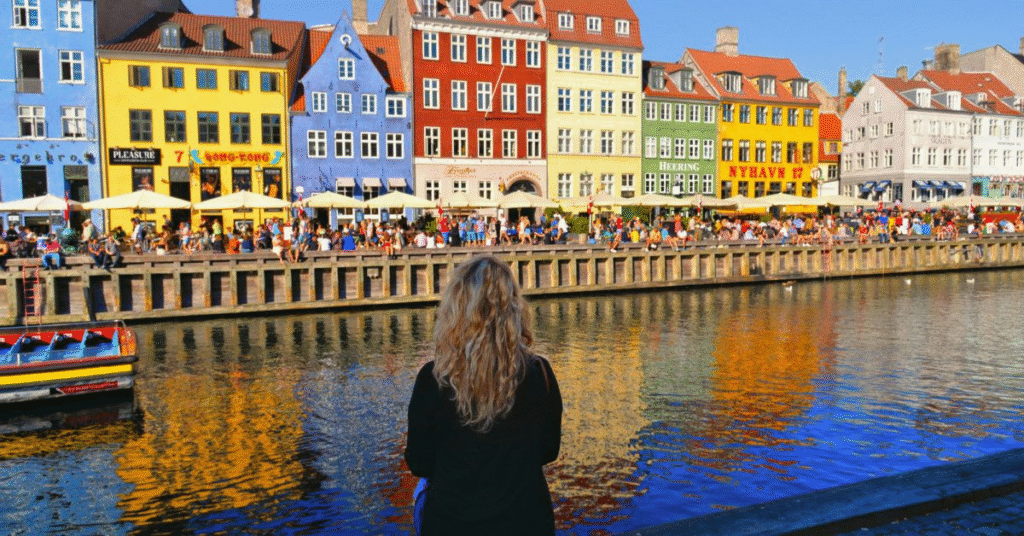
Denmark consistently ranks as one of the happiest countries in the world, making it an attractive destination for expats. With a strong economy, excellent work-life balance, and numerous outdoor activities, it’s no surprise that so many people choose to relocate here.
For those considering moving from the USA, the Danish lifestyle may offer a refreshing change. From its environmentally conscious living to the strong sense of community, Denmark offers a slower pace of life that many find appealing.
Is Denmark a Good Spot for Americans?
Denmark is a great place for Americans looking to experience life abroad. The country has a relatively easy visa process for people from the United States and offers a high standard of living. Many American expats report feeling welcome in Denmark, thanks to its diverse population and open-minded culture.
However, adjusting to life in Denmark may come with challenges, especially if you’re used to the fast-paced, high-energy environment of the U.S. The Danes value their privacy and personal space, so it might take some time to feel fully integrated.
How to Move to Denmark: Your Options
There are several ways to move to Denmark, depending on your situation. For those planning to work in Denmark, securing a job before arriving is a good option. Denmark has a highly skilled workforce, and foreigners with expertise in fields like IT, engineering, and healthcare are in demand.
For students or those looking to reunite with family, different visa and permit options are available. Understanding your visa requirements is essential to ensure you can stay legally in Denmark. In many cases, you will need to show proof of sufficient income or health insurance.
Practical Steps to Moving to Denmark

With careful planning, you can manage the practicalities of moving to Denmark. First, make sure you have all the necessary paperwork, including your visa, job contracts, and health insurance details.
The next step is to find a place to live. Denmark has a well-organized housing market, but finding accommodation can be competitive in larger cities like Copenhagen.Getting familiar with rental contracts and starting looking early are good ideas.
Working in Denmark

Denmark has a strong economy and offers numerous opportunities for foreigners seeking employment. The work culture in Denmark emphasizes work-life balance and encourages collaboration. Many international companies operate in Denmark, so you may find that your skills are in demand.
That said, Denmark is also known for its high taxes, so make sure you understand how the tax system works before making the move. It’s also worth noting that while many companies operate in English, speaking Danish will be an asset in securing jobs and integrating into your workplace.
Education and Family Life

Denmark offers excellent educational opportunities, including free primary and secondary education. If you’re moving with children, you’ll find that the education system is well-regarded for its focus on both academic and personal development.
Additionally, Denmark is known for being family-friendly, with generous parental leave policies and a high standard of healthcare. However, family life in Denmark can be a bit different from what you’re used to, with an emphasis on independence and self-reliance for children from an early age.
Cost of Living in Denmark
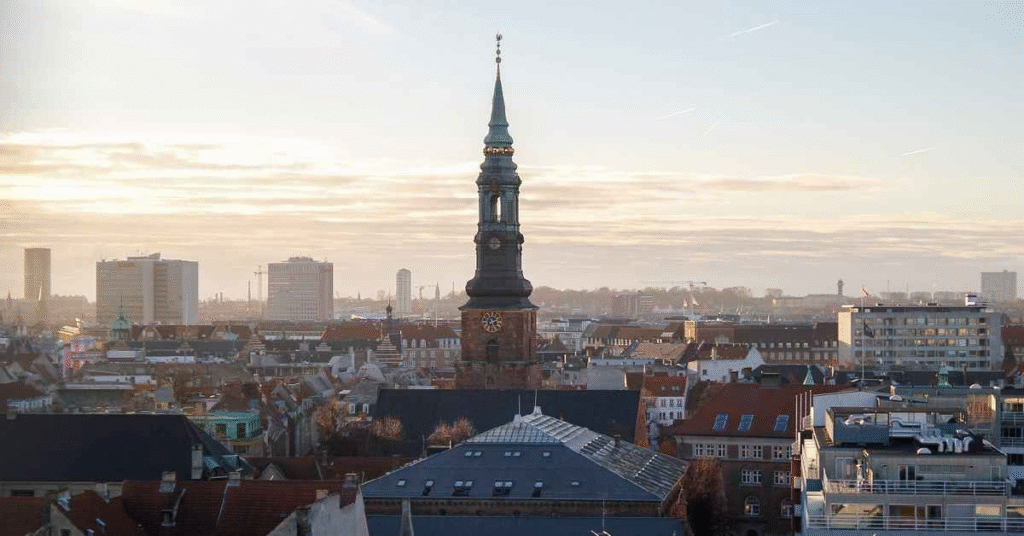
Copenhagen is one of the more expensive cities in Denmark, especially when it comes to living costs.However, wages are also high, and the quality of life is exceptional. Rent can be one of your largest expenses, but there are plenty of options available in various price ranges.
In addition to housing, you’ll need to budget for groceries, transportation, and health insurance. While Denmark is known for its expensive lifestyle, the trade-off is a well-functioning society with excellent services and amenities.
Should I Learn Danish When I Move to Denmark?
Although many Danes speak English, learning Danish will help you better integrate into society. It’s not required to speak Danish to live in Denmark, but it can enhance your experience. The ability to speak Danish fluently is a requirement for many jobs in Denmark, especially in the fields of healthcare and education.
Moreover, speaking Danish allows you to engage more deeply with local culture and makes daily life easier, from grocery shopping to handling official paperwork.
Getting Permanent Residence in Denmark
Upon establishing a few years of residency in Denmark, you may be eligible to become a permanent resident.The process requires meeting certain criteria, including staying in Denmark for a specified number of years, having a stable income, and demonstrating language proficiency.
Once you’ve achieved permanent residency, you’ll enjoy many of the same benefits as Danish citizens, including access to healthcare and social services.
How I Personally Moved to Denmark
Moving to Denmark was a life-changing decision for me. The process was challenging but rewarding. I started by securing a job in Copenhagen and navigating the visa process. It took time to adjust to the Danish way of life, but I found the quality of life and work-life balance to be well worth the effort.
If you’re thinking about making the move, my advice is to plan carefully, do your research, and be patient. Denmark has a lot to offer, and with the right preparation, you’ll find that it’s an excellent place to build a new life.
Conclusion
Moving to Denmark is an exciting journey that offers many opportunities for a fresh start. While the process can seem complex at first, breaking it down into manageable steps makes it much easier. Whether it’s securing a job, finding a place to live, or understanding the local culture, with the right preparation, you can smoothly transition to life in Denmark.
In the end, Denmark’s high quality of life, excellent healthcare, and friendly atmosphere make it a great place to call home. Be patient with yourself as you adapt to the new environment. Once settled, you’ll find that Denmark offers a fulfilling and rewarding lifestyle, and soon, you’ll be enjoying all the benefits of living in one of the happiest countries in the world.
FAQs
What are the visa requirements to move to Denmark?
You’ll need to apply for a residence visa based on your purpose, such as work, study, or family reunification. Requirements vary, so check the official immigration website.
Is it expensive to live in Denmark?
Yes, Denmark has a high cost of living, especially in cities like Copenhagen. However, wages are also high, and public services like healthcare and education are top-notch.
Do I need to speak Danish to live in Denmark?
While many Danes speak English, learning Danish will help you integrate into the community and improve your job prospects.
Can Americans easily move to Denmark?
Yes, the process is relatively straightforward for Americans, especially if you have a job offer or meet the visa requirements for skilled workers.
How long does it take to get permanent residency in Denmark?
You can apply for permanent residency after living in Denmark for 5 years, provided you meet language and income requirements.