

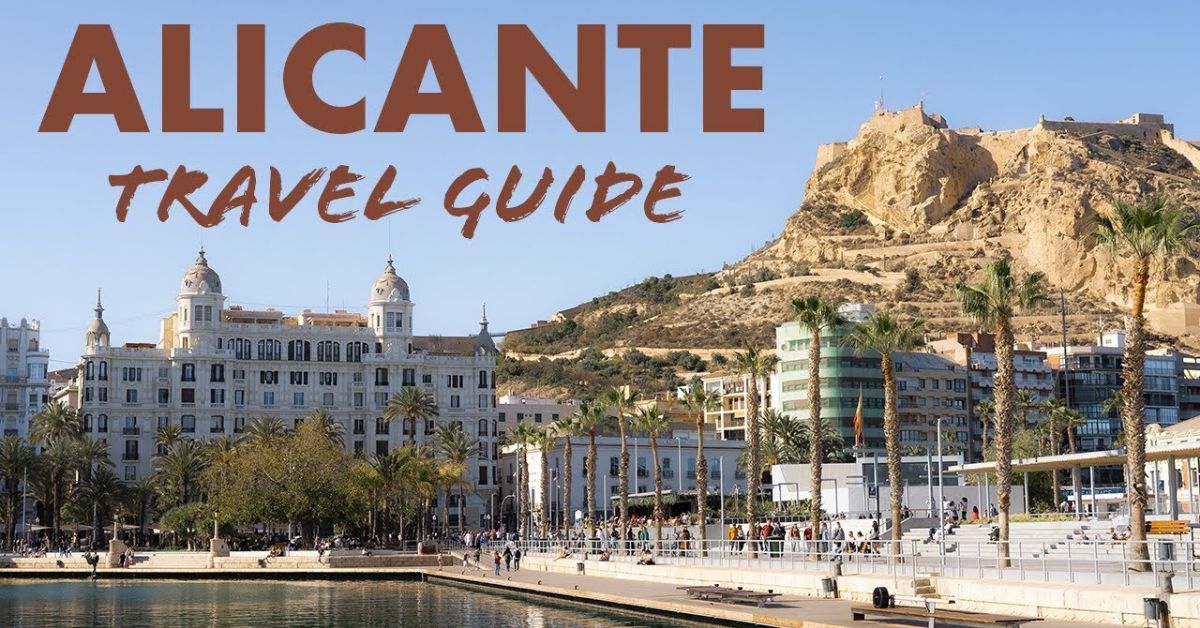
Picture this: golden beaches kissed by Mediterranean waves, a mighty castle perched high above terracotta rooftops, and streets alive with the scent of paella and sea breeze. Welcome to Alicante, Spain’s underrated coastal treasure that’s about to steal your heart.
While cities like Barcelona and Madrid often grab the spotlight, Alicante offers something truly special. This vibrant Mediterranean destination delivers an authentic Spanish experience without the overwhelming tourist crowds.
Whether you’re planning a quick weekend escape or a longer Costa Blanca adventure, the things to do in Alicante will surprise and delight you at every turn.
From exploring ancient fortresses to lounging on pristine beaches, from savoring tapas in colorful neighborhoods to dancing the night away along the marina, Alicante packs incredible variety into one stunning coastal setting.
Ready to discover why this Spanish gem deserves a prime spot on your travel bucket list? Let’s explore the very best things to do in Alicante, Spain.
Scale the Heights of Santa Barbara Castle
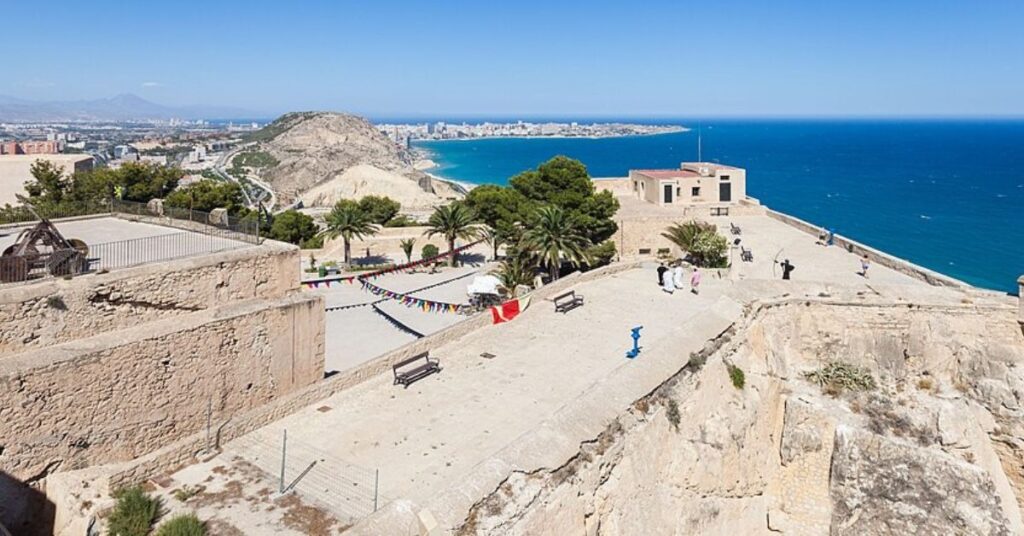
No visit to Alicante is complete without experiencing the magnificent Santa Barbara Castle. Perched 166 meters above sea level on Mount Benacantil, this medieval fortress offers some of the most breathtaking panoramic views you’ll ever witness.
Dating back to the 9th century, this sprawling complex tells centuries of Spanish history through its walls. Arab origins blend with later Christian additions, creating a fascinating architectural journey through time.
The castle grounds are surprisingly extensive. Plan to spend at least an hour exploring the various levels, rooms, and viewpoints. Each terrace reveals different perspectives of the city, harbor, and endless Mediterranean horizon.
History enthusiasts will appreciate the informative displays throughout the castle, while photographers will find countless opportunities to capture stunning shots. The views alone make this one of the best things to do in Alicante.
Here’s a local tip: arrive early in the morning to beat the crowds and avoid the intense midday heat, especially during summer months. The castle opens at 10 AM daily and stays open until 8 PM in winter or 10 PM in summer.
You have three options for reaching the summit. Walking up takes about 20-30 minutes and offers scenic views along the way, though the climb gets steep toward the end. A lift operates from Postiguet Beach for approximately 3 euros round trip. Alternatively, you can drive or take a taxi directly to the castle parking area.
The best part? Entrance to Santa Barbara Castle is completely free, making it an incredible value among Alicante attractions.
For More Information Visit Website …..
Wander Through Barrio de Santa Cruz
Tucked beneath Santa Barbara Castle lies Barrio de Santa Cruz, Alicante’s most photogenic neighborhood. This charming quarter represents the oldest part of the city, where narrow cobblestone streets wind between whitewashed houses adorned with vibrant flowers and colorful doors.
Walking through Santa Cruz feels like stepping into a postcard. Bright bougainvillea cascades from balconies, potted plants line every doorstep, and the peaceful atmosphere transports you back in time.
The neighborhood’s character remains authentically Spanish. You’ll often spot locals chatting on their doorsteps or tending their flower boxes, maintaining traditions that have defined this area for centuries.
As you climb the steep, winding streets toward the castle, each turn reveals new visual delights. The maze-like layout invites exploration without a specific destination in mind. Getting slightly lost here is part of the experience.
During evening hours, the barrio takes on a different personality. Small taverns and tapas bars come alive with locals enjoying wine and conversation. The warm glow of streetlights against white walls creates an incredibly romantic ambiance.
For couples seeking things to do in Alicante at night, an evening stroll through Santa Cruz offers the perfect blend of culture, atmosphere, and intimacy. The views overlooking the illuminated city below add an extra touch of magic.
Stroll Along Explanada de España
The Explanada de España stands as Alicante’s signature promenade and social heart. This stunning walkway stretches nearly 600 meters along the harbor, famous for its distinctive wave-pattern floor made from 6.5 million marble tiles in red, cream, and blue.
Palm trees provide welcome shade along the route, while street performers, artists, and craft vendors add vibrant energy to the atmosphere. The promenade connects Canalejas Park to the marina, offering beautiful views of the Mediterranean throughout.
Cafes and restaurants line one side of the Explanada, creating perfect spots for people-watching over coffee or cocktails. The other side overlooks the port, where luxury yachts bob gently in their moorings.
Locals and visitors alike gather here throughout the day, but the Explanada truly comes alive during evening paseos. Families stroll, children play, couples walk hand-in-hand, and the social buzz creates an infectious Mediterranean vibe.
The elegant Casa Carbonell building, dating from 1925, anchors one end of the promenade. Its distinctive architecture serves as a reminder of Alicante’s prosperous past and makes for excellent photographs.
Walking the Explanada is completely free and accessible 24/7, making it one of the best things to do in Alicante for budget-conscious travelers. Whether you’re starting your day with morning coffee or enjoying sunset views, this promenade delivers quintessential Spanish coastal charm.
Relax on Spectacular Beaches

Alicante’s coastline ranks among its greatest assets. The city and surrounding area offer numerous beaches, each with its own character and appeal.
Playa del Postiguet serves as the main city beach, located right in the center beneath Santa Barbara Castle. This golden sand beach provides convenient access to swimming and sunbathing without leaving the urban area. The gentle waters make it ideal for families, while the backdrop of the castle creates memorable scenery.
Just 15 minutes from downtown, Playa de San Juan stretches an impressive 7 kilometers along the coast. This Blue Flag beach offers pristine conditions for swimming and water sports. Behind the wide sandy shore, a palm-lined promenade features countless restaurants and cafes.
San Juan attracts both locals and visitors seeking a more relaxed beach experience. The area has its own distinct neighborhood feel, with excellent dining options and a laid-back atmosphere perfect for extended beach days.
For those willing to venture further, La Granadella Beach in nearby Javea has been voted Spain’s best beach multiple times. The crystal-clear waters and dramatic cove setting justify the hour-plus drive from Alicante.
Playa de la Albufereta offers a quieter alternative closer to the city. This smaller beach provides a more intimate setting with calm swimming conditions and fewer crowds.
Beach hopping ranks among the top things to do in Alicante Spain with kids. The variety ensures everyone finds their perfect spot, whether seeking active water sports or peaceful relaxation.
Pack sunscreen, bring plenty of water, and consider renting umbrellas during summer months when the Mediterranean sun shines intensely. Many beaches offer lounger and umbrella rentals at reasonable rates.
Discover Mercado Central
Mercado Central represents more than just a place to buy groceries. This architectural gem from 1912 serves as a living showcase of local life, culture, and gastronomy.
The market building itself deserves attention. Spanning 11,000 square meters across two floors, the structure follows a basilican design that creates an impressive interior space flooded with natural light.
Over 245 stalls fill the market with an incredible variety of products. Fresh seafood, colorful fruits and vegetables, local cheeses, cured meats, and regional specialties create a sensory feast.
Even if you’re not shopping for ingredients, visiting the market provides invaluable insight into Spanish culinary traditions. Watch locals select their daily provisions, observe the animated conversations between vendors and customers, and absorb the authentic atmosphere.
Several small eateries within the market serve excellent coffee, fresh juices, and traditional Spanish breakfast items. Cafeteria Anamar is famous for its ham, cheese, and egg sandwiches, while Salzillo serves exceptional coffee.
The market operates Monday through Saturday from 7 AM to 2:30 PM. Arriving earlier ensures the best selection and allows you to experience the market at its most vibrant.
For food enthusiasts, guided food tours of Mercado Central offer deeper insights into local products and cooking traditions. These tours typically include tastings of various delicacies and provide context you’d miss exploring alone.
Visiting Mercado Central ranks among the best free things to do in Alicante, though you’ll likely want to purchase some treats to take home.
Take a Boat Trip to Tabarca Island
Just off Alicante’s coast lies Tabarca Island, the only inhabited island in the Valencia region. This small Mediterranean gem offers a perfect day trip escape from the city.
Tabarca’s history fascinates as much as its scenery. The island once served as a pirate hideout before being fortified in the 18th century. Today, only about 68 residents call it home year-round.
Crystal-clear turquoise waters surround the island, designated as a Mediterranean Marine Reserve. The exceptional water quality makes Tabarca a paradise for snorkeling and swimming. Colorful fish dart through the rocky shallows, easily visible in the transparent water.
The tiny village features whitewashed houses, a historic church, and narrow streets perfect for leisurely exploration. A small museum documents the island’s fascinating history from pirates to present day.
Tabarca is renowned for its seafood, particularly the traditional “caldero” rice dish. Several restaurants serve this local specialty, making lunch on the island a highlight of any visit.
Regular ferries depart from Alicante’s harbor throughout the day, with the journey taking approximately 40 minutes. Some boat trips include meals and drinks, while others offer just transportation.
For things to do in Alicante in November or during cooler months, Tabarca remains accessible and actually more peaceful with fewer visitors. The island’s charm persists year-round, though swimming becomes less appealing outside summer months.
Explore La Ereta Park and Viewpoints
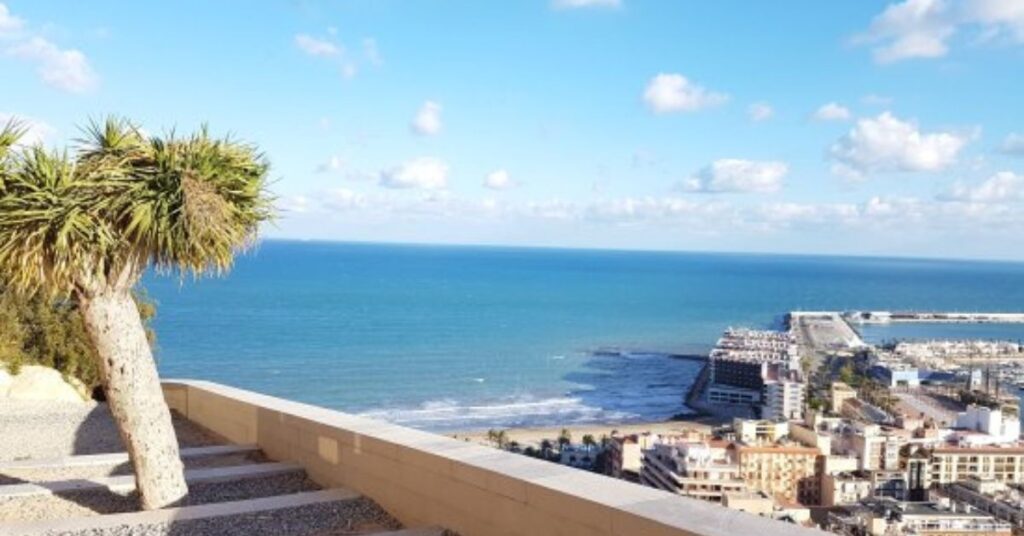
Cascading down the slopes of Mount Benacantil, La Ereta Park connects the Castle of Santa Barbara to the city below through beautifully landscaped gardens and walkways.
This relatively new park, opened in the early 2000s, transforms what was once a barren hillside into a green oasis. Terraced gardens, water features, and strategically placed viewpoints create peaceful spaces for relaxation.
The park’s elevated position delivers spectacular panoramic views across Alicante’s orange rooftops to the Mediterranean beyond. Multiple viewing platforms along the descent offer different perspectives and photo opportunities.
Walking paths wind through Mediterranean vegetation, connecting the various levels. The descent from the castle through La Ereta to Postiguet Beach takes about 20 minutes and provides a much easier route down than the steep streets of Santa Cruz.
La Ereta Restaurant, located within the park, offers upscale dining with those incredible views as a backdrop. While pricier than average, the setting creates a memorable dining experience.
The park remains open all day and provides a tranquil escape from busy tourist areas. Early morning visits reward you with soft light and peaceful solitude, while sunset visits offer golden hour photography opportunities.
For those seeking romantic things to do in Alicante at night for couples, an evening walk through La Ereta Park delivers atmosphere, privacy, and stunning city views illuminated after dark.
Visit the Basilica of Santa Maria
The Basilica of Santa Maria holds the distinction of being Alicante’s oldest active church. Built between the 14th and 16th centuries on the site of a former mosque, this Gothic structure represents an important piece of the city’s religious heritage.
The exterior features classic Valencian Gothic architecture, while the interior reveals Baroque additions from later centuries. The church’s cross-shaped layout includes six side chapels, each containing religious art and artifacts.
The ornate golden altarpiece dominates the main altar, showcasing exceptional baroque craftsmanship. Religious paintings and sculptures throughout the basilica document centuries of Catholic tradition in Alicante.
Located in the old town at the foot of Santa Barbara Castle, the basilica sits near many other historic sites. Its plaza provides a peaceful spot to rest during explorations of the surrounding neighborhood.
The church welcomes visitors for both religious services and sightseeing. Appropriate modest dress is required, and photography may be restricted during services.
Just a short walk away, the Concatedral de San Nicolas de Bari offers another impressive religious site. This 17th-century cathedral features a distinctive blue dome rising 45 meters above its crossing, visible from many points around the city.
Both churches are free to enter, making them excellent additions to budget-friendly itineraries. Architecture enthusiasts and history buffs will appreciate the craftsmanship and stories these buildings preserve.
Experience Alicante’s Nightlife
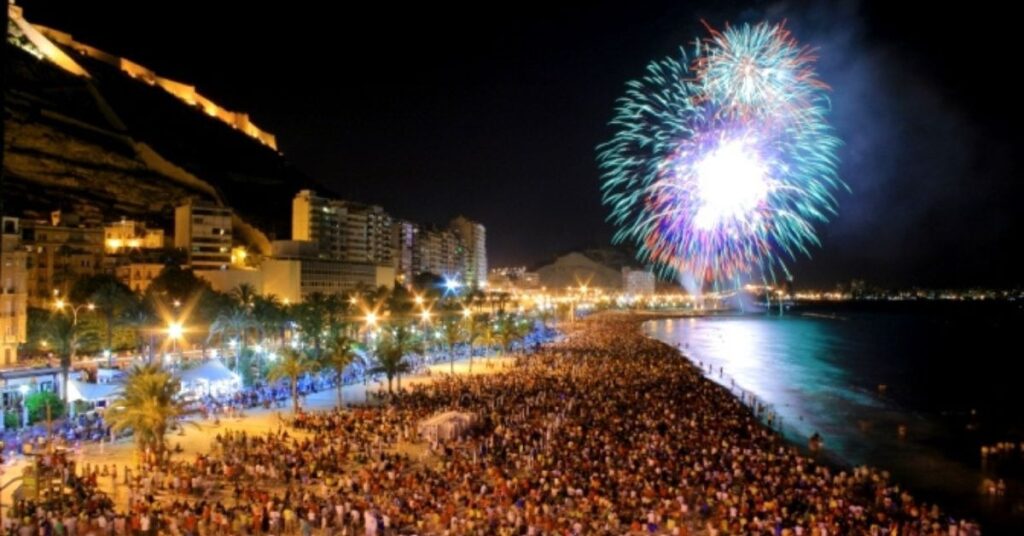
When the sun sets, Alicante transforms into a vibrant nightlife destination. The city offers diverse options for evening entertainment, from sophisticated cocktail bars to energetic nightclubs.
The marina area buzzes with upscale bars and restaurants overlooking the harbor. These venues attract a slightly older, more refined crowd seeking cocktails with a view. The atmosphere here is relaxed yet elegant, perfect for starting an evening out.
For livelier scenes, head to Calle Castaños, Alicante’s primary nightlife street. This area pulses with energy as bars and clubs fill with locals and tourists dancing until dawn. The street offers variety, from Spanish pop clubs to international DJ sets.
The old town around Calle San Francisco and Calle Mayor transforms into a tapas bar paradise after dark. Locals practice the traditional paseo, moving from bar to bar, sampling small plates and socializing. Joining this ritual provides authentic insight into Spanish social culture.
During summer months, beach clubs along San Juan and El Campello beaches host parties and events. These outdoor venues combine dancing, drinks, and ocean breezes for unforgettable Mediterranean nights.
Things to do in Alicante at night extend beyond bars and clubs. Evening boat cruises offer romantic alternatives, while nighttime castle visits provide stunning illuminated city views.
The Spanish dinner schedule runs late, with most restaurants filling up around 9 or 10 PM. Nightlife typically starts even later, with clubs rarely busy before midnight. Embracing these local rhythms enhances the experience.
Safety in Alicante’s nightlife areas is generally good, though standard precautions apply. Keep valuables secure, stay aware of surroundings, and stick to well-populated areas.
Day Trip to Guadalest Valley
About an hour from Alicante lies Guadalest, one of Spain’s most picturesque mountain villages. Perched dramatically atop a rocky pinnacle, this medieval town appears almost impossibly balanced above the stunning valley below.
The village population numbers only about 200 permanent residents, yet its beauty attracts thousands of visitors. The only entrance to the old town passes through a 15-meter tunnel carved through solid rock, creating a memorable arrival.
Guadalest Castle ruins crown the highest point, offering breathtaking views across the valley and turquoise reservoir. The distinctive white bell tower of Penon de la Alcala seems to defy gravity, clinging to the mountainside in a scene that graces countless postcards.
Narrow cobblestone streets wind between whitewashed houses, craft shops, and small museums. The village has embraced tourism while maintaining its authentic character.
Combined day trips from Alicante often pair Guadalest with the Algar Waterfalls, a natural park featuring beautiful cascades and crystal-clear pools. During warmer months, swimming in these natural pools provides refreshing relief from Mediterranean heat.
Organized tours handle transportation and timing, making this excursion stress-free. Alternatively, renting a car allows more flexible exploration of the surrounding mountain scenery.
This ranks among the most popular things to do in Alicante Spain for visitors seeking experiences beyond beaches and city attractions. The dramatic mountain landscape contrasts beautifully with coastal Alicante.
Enjoy Parque El Palmeral
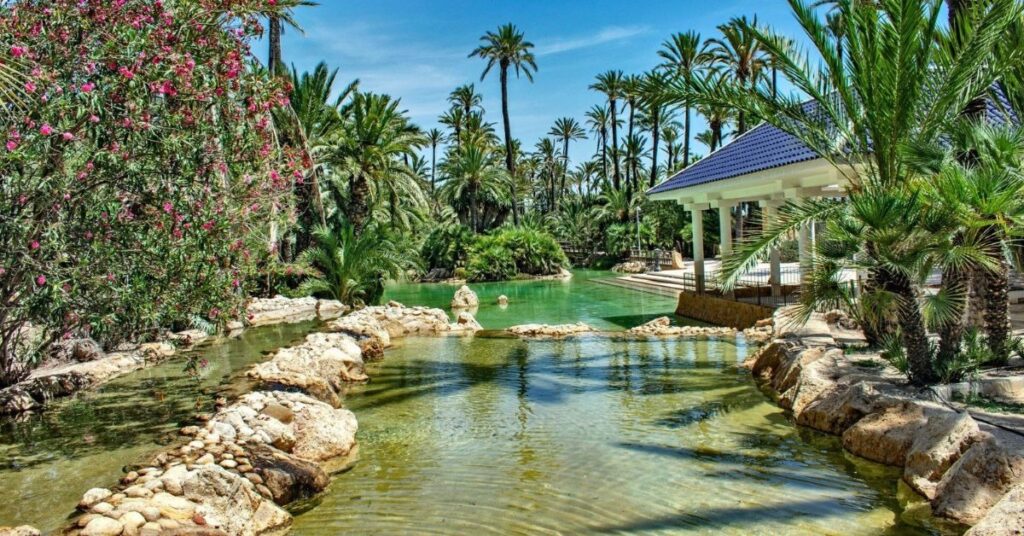
Alicante’s largest urban park offers a tropical escape right within the city. Parque El Palmeral fills nearly 40 hectares with towering palm trees, creating a lush oasis perfect for relaxation.
The park features multiple walking trails winding through the palm groves, alongside artificial streams and waterfalls. Charming bridges cross the water features, while shaded areas provide relief from summer heat.
Families love El Palmeral for its playgrounds, picnic areas, and open spaces where children can run freely. The small lake allows pedal boat rentals, adding an interactive element to park visits.
Unlike beaches that become uncomfortable during midday heat, the palm canopy provides natural shade throughout the park. This makes El Palmeral ideal for things to do in Alicante in November through spring when beaches may be too cool but outdoor activities remain pleasant.
The park includes a concert venue that hosts performances during summer months. These events attract locals for evening entertainment in a beautiful natural setting.
El Palmeral sits slightly south of the city center, easily reached by foot, bus, or tram. Entrance is free, and the park welcomes visitors from dawn until dusk.
Bringing a picnic transforms a park visit into a leisurely afternoon affair. Local markets provide everything needed for an authentic Spanish outdoor meal under the palms.
Discover Hidden Gems and Local Favorites
Beyond the main attractions, Alicante hides numerous treasures that reward curious explorers.
Calle San Francisco, nicknamed “Calle de las Setas” (Mushroom Street), features oversized mushroom sculptures lining a pedestrian shopping area. This quirky street offers photo opportunities and browsing local shops away from main tourist zones.
The Castle of San Fernando, Alicante’s other fortress, receives far fewer visitors than Santa Barbara. Located on Monte Tossal, this 19th-century fort provides alternative viewpoints and peaceful surroundings for those seeking solitude.
Cabo de las Huertas, a rocky headland north of the city, offers dramatic coastal scenery and hidden coves. This area attracts fewer tourists but provides stunning Mediterranean vistas and excellent walking paths.
For cultural experiences, catch a performance at Teatro Principal, an elegant 19th-century theater hosting opera, ballet, and contemporary performances throughout the year.
The Museum of Contemporary Art (MACA) houses an impressive collection including works by Picasso, Miro, and Dali. Best of all, admission is free, making it an excellent rainy-day option.
Wine enthusiasts should venture to the Vinalopo region, about 45 minutes inland. Local bodegas produce Fondillon, a unique aged dessert wine specific to this area. Wine tours combine tastings with vineyard visits and insights into traditional production methods.
These lesser-known experiences provide depth to your visit, revealing sides of Alicante that many tourists miss.
Family-Friendly Activities
Alicante welcomes families with diverse attractions appealing to all ages. The city’s compact size and walkability make it manageable with children, while numerous kid-focused activities ensure young travelers stay entertained.
The city beaches provide obvious family appeal. Gentle waves at Postiguet and San Juan beaches make swimming safe for children, while adjacent playgrounds offer alternatives when kids tire of sand and water.
A short tram ride from Alicante, Benidorm offers major theme parks perfect for things to do in Alicante Spain with kids. Aqualandia water park features thrilling slides and pools, while Terra Mitica theme park brings Mediterranean history to life through rides and shows.
Mundomar animal park, also near Benidorm, allows close encounters with dolphins, sea lions, and tropical birds. The educational shows entertain while teaching children about marine life and conservation.
Forestal Park provides adventure for active families. This aerial park features zip lines, rope courses, and climbing challenges through the trees, with different difficulty levels accommodating various ages.
Back in Alicante proper, the interactive Volvo Ocean Race Museum engages children with sailing history through innovative displays and technology. The hands-on approach keeps young visitors interested while adults appreciate the maritime heritage.
For educational outings, MARQ Archaeological Museum employs innovative techniques to bring ancient history alive. The museum’s approach makes learning about Alicante’s past accessible and interesting for younger audiences.
Planning things to do in Alicante with children requires less stress than many European destinations. The relaxed Mediterranean pace, family-oriented culture, and variety of options create ideal conditions for multi-generational travel.
Savor the Local Cuisine
No discussion of things to do in Alicante would be complete without addressing the spectacular food scene. This coastal city offers gastronomic experiences that satisfy all tastes and budgets.
Paella, Spain’s most famous rice dish, reaches perfection in the Valencia region. Alicante’s version typically includes seafood, rabbit, or chicken, depending on the restaurant’s specialty. Local chefs guard their recipes carefully, resulting in subtle variations worth exploring.
Arroz a banda, another rice specialty, showcases local seafood in a flavorful broth. The dish arrives separately from the rice, allowing diners to experience each component’s unique taste.
Fresh seafood dominates menus throughout the city. Red prawns from nearby waters, grilled octopus, and various fish preparations highlight the Mediterranean’s bounty.
The tapas culture thrives in Alicante. Traditional bars serve small plates allowing diners to sample multiple dishes. D’Tablas offers a unique experience where servers bring trays of varied tapas to your table, allowing you to select favorites.
For authentic market-to-table experiences, shops within Mercado Central prepare fresh products into simple, delicious meals. This approach provides quality dining at budget-friendly prices.
Dessert brings turron, a traditional almond nougat produced in nearby Jijona. This sweet treat, especially popular during Christmas, comes in various flavors and textures. Local shops offer tastings and beautifully packaged versions perfect for gifts.
Don’t miss horchata, a refreshing drink made from tiger nuts. Served ice-cold, this unique beverage provides welcome relief from summer heat.
Regional wines, particularly from the Vinalopo area, pair perfectly with Alicante’s cuisine. The sweet Fondillon wine offers a distinctive taste experience unique to this region.
Special Events and Festivals
Timing your visit around Alicante’s vibrant festival calendar adds extra excitement to your trip.
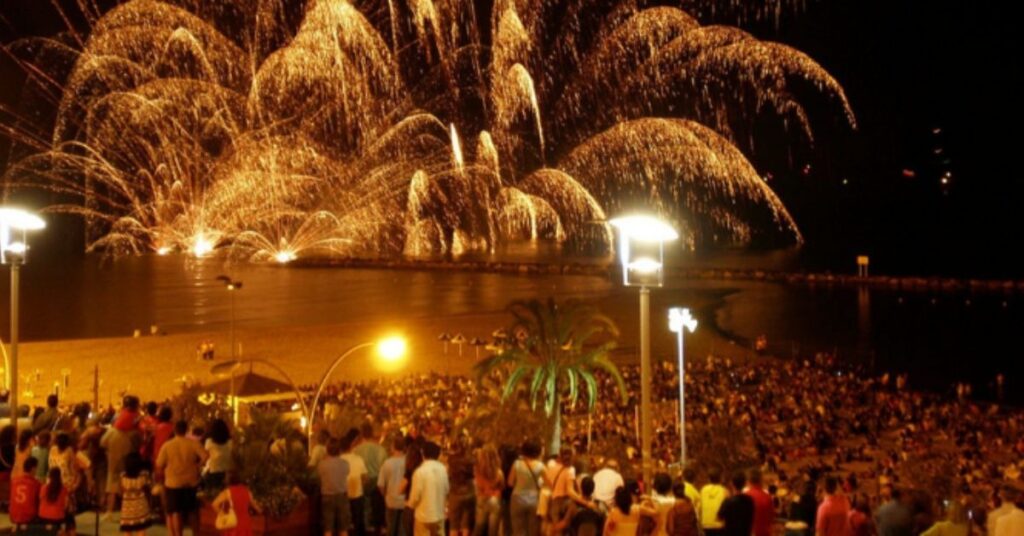
The Hogueras de San Juan festival, celebrated June 20-24, ranks as the city’s biggest annual event. This spectacular celebration rivals Valencia’s famous Fallas festival with enormous artistic sculptures, fireworks, parades, and street parties. The festival culminates on June 24th when the sculptures burn in dramatic nighttime bonfires.
During the event, things to do in Alicante at New Year pale in comparison to the San Juan energy. The entire city participates in festivities that continue day and night for nearly a week.
Semana Santa (Holy Week) brings solemn processions through the old town streets. Elaborately decorated floats carry religious imagery while bands play traditional music and participants wear historic costumes.
The Moros y Cristianos festival in early December reenacts the battles between Moors and Christians through elaborate parades, costumes, and mock battles. This tradition celebrates the region’s complex historical heritage.
Throughout summer, beaches and plazas host concerts, outdoor cinema, and cultural events. The Mediterranean climate makes evening outdoor activities particularly appealing during warmer months.
Things to do in Alicante in November include the region’s wine harvest celebrations and culinary festivals showcasing autumn produce.
These events provide deeper cultural immersion, revealing traditions that define local identity beyond tourist attractions.
Practical Tips for Visiting Alicante
Understanding a few practical details enhances any Alicante visit.
The city enjoys approximately 300 days of sunshine yearly, with average temperatures rarely dropping below 12°C in winter or exceeding 32°C in summer. This exceptional climate makes Alicante attractive year-round, though summer brings peak crowds.
Alicante-Elche Airport serves the region with excellent connections to major European cities. Budget airlines make flights surprisingly affordable, particularly when booked in advance. From the airport, direct buses reach the city center in 15 minutes for under 4 euros.
The compact city center is easily walkable, with most major attractions within a 20-minute walk of each other. For longer distances, an efficient tram system connects the city to beaches and nearby towns. A rechargeable Mobilis Card offers discounted fares on public transportation.
Both Spanish and Valencian are spoken in Alicante, though English is widely understood in tourist areas. Learning a few basic Spanish phrases enhances interactions with locals who appreciate the effort.
The Spanish dining schedule runs later than many visitors expect. Lunch typically occurs between 2-4 PM, while dinner starts around 9-10 PM. Restaurants and attractions may close during afternoon siesta hours, particularly outside peak tourist season.
Alicante remains refreshingly affordable compared to Barcelona, Madrid, or other major Spanish destinations. Budget-conscious travelers find excellent value in accommodation, dining, and activities.
The city’s safety record is strong, though standard precautions apply. Watch for pickpockets in crowded tourist areas and keep valuables secure.
Conclusion
Alicante is a sunny, beautiful city that offers something for every traveler. From golden beaches and historic castles to peaceful parks and lively nightlife, the city is full of memorable experiences. Exploring Alicante feels easy and relaxing, with friendly locals and stunning views everywhere you go.
Whether you’re traveling with family, friends, or your partner, Alicante makes every day exciting. You can enjoy great food, discover local culture, and take simple day trips to islands or mountain villages. It’s a place where you can slow down, enjoy the moment, and create lasting memories.
FAQs
1. What is the best time to visit Alicante?
Spring and early autumn offer warm weather, fewer crowds, and perfect beach conditions.
2. How many days do I need in Alicante?
Three to four days are enough to enjoy the main attractions, beaches, and a day trip.
3. Is Alicante good for families?
Yes, Alicante is very family-friendly with calm beaches, parks, museums, and nearby theme parks.
4. Can I visit Santa Barbara Castle for free?
Yes, entrance is completely free, and the views from the top are amazing.
5. Is it easy to get around Alicante without a car?
Very easy—most places are walkable, and the tram connects beaches and nearby towns.