

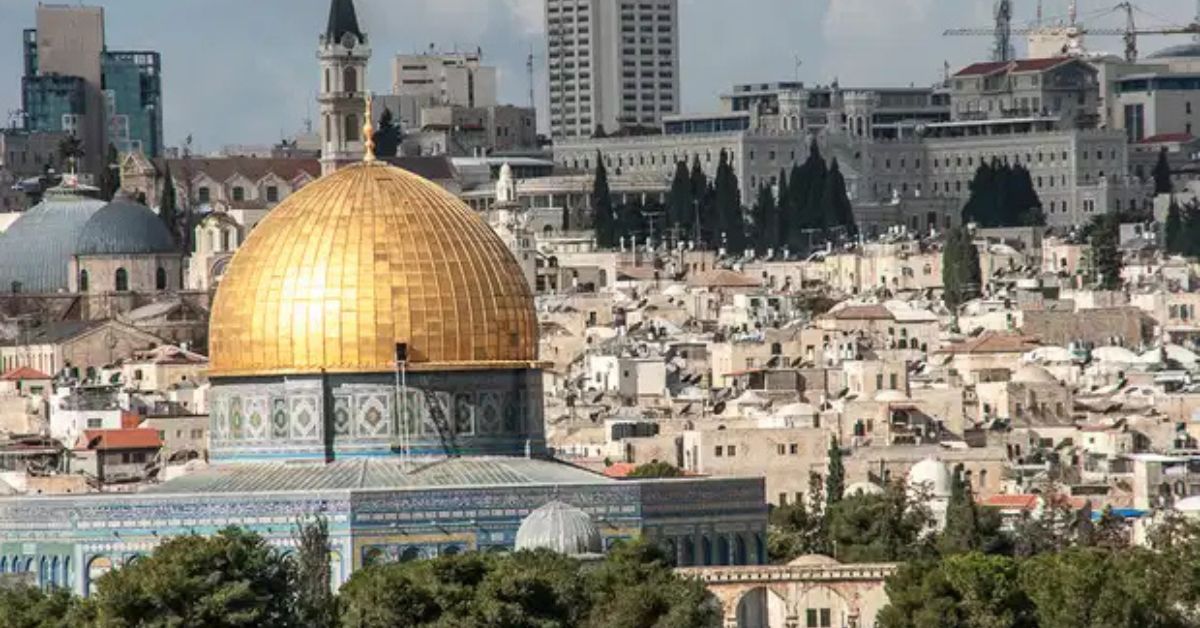
Jerusalem isn’t just another destination on a map. It’s a living, breathing testament to thousands of years of human civilization, where ancient stones whisper stories of prophets, kings, and conquerors.
Walking through its narrow alleys feels like stepping through a time portal, where every corner reveals a new chapter of history. Whether you’re a history enthusiast, spiritual seeker, or curious traveler, this ancient city promises experiences that will stay with you long after you’ve returned home.
This comprehensive guide covers everything you need to know about the best things to do in Jerusalem, from iconic landmarks to hidden gems that most tourists miss.
Exploring the Old City of Jerusalem
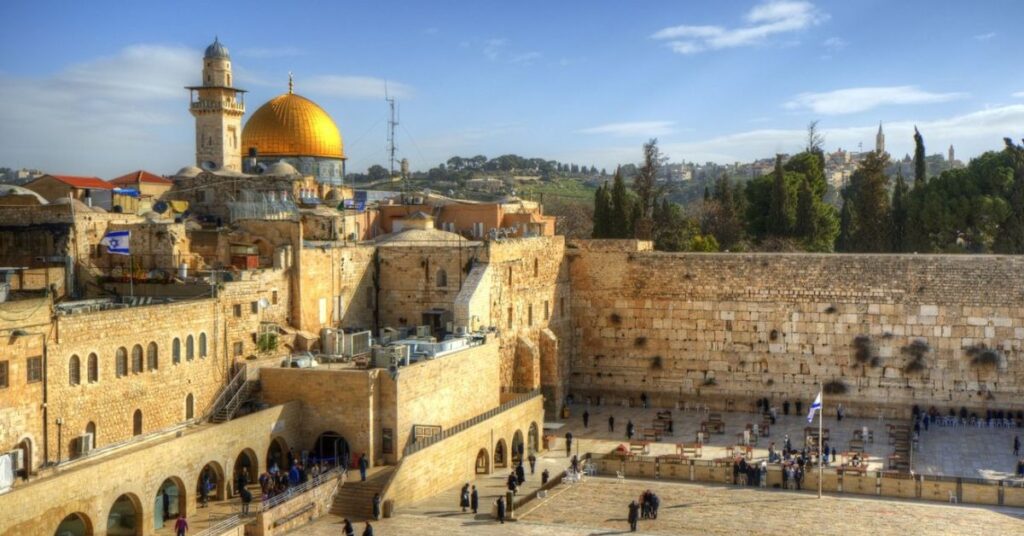
The Old City is the beating heart of Jerusalem and should be your first stop. This UNESCO World Heritage site is divided into four distinct quarters, each offering unique experiences.
The ancient walls surrounding the Old City have witnessed countless civilizations rise and fall. As you enter through one of the historic gates, you’ll immediately sense the weight of history pressing down on these ancient stones.
The Jewish Quarter houses some of the most sacred sites in Judaism, while the Christian Quarter leads to places central to Christian faith. The Muslim Quarter buzzes with energy from its bustling markets, and the Armenian Quarter offers peaceful respites with its beautiful architecture.
Getting lost in these narrow, winding streets is actually one of the best things to do in Jerusalem. You’ll stumble upon hidden courtyards, ancient archways, and local shops that haven’t changed in decades.
Don’t rush through the Old City. Give yourself at least a full day to explore, and you’ll barely scratch the surface of what it has to offer.
The Western Wall: A Sacred Experience
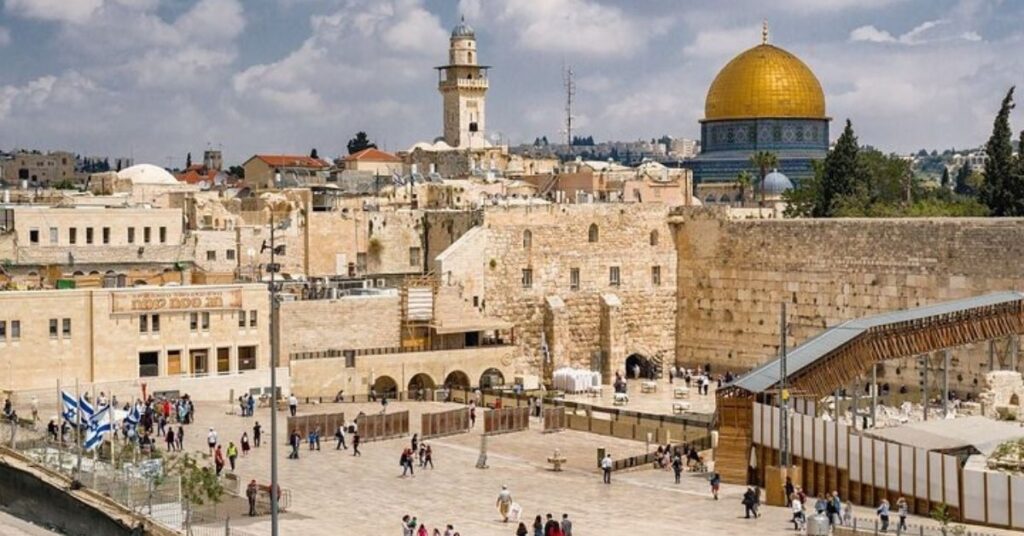
No visit to Jerusalem is complete without standing before the Western Wall, known locally as the Kotel. This is Judaism’s holiest prayer site, and the spiritual energy here is palpable.
The Wall is actually a remnant of the retaining wall that surrounded the Second Temple, built around 19 BCE by King Herod. For nearly 2,000 years, Jewish people have gathered here to pray and place written prayers between the ancient stones.
Men and women pray in separate sections, which might surprise first-time visitors. Women should carry a scarf to cover their shoulders and heads out of respect.
The experience becomes even more magical if you visit during a Bar or Bat Mitzvah celebration. These joyous ceremonies, complete with music, dancing, and family celebrations, happen regularly, especially on Saturday mornings.
The Western Wall is free to visit and accessible 24/7. Early morning or late evening visits offer a more intimate experience with fewer crowds.
Temple Mount and the Dome of the Rock
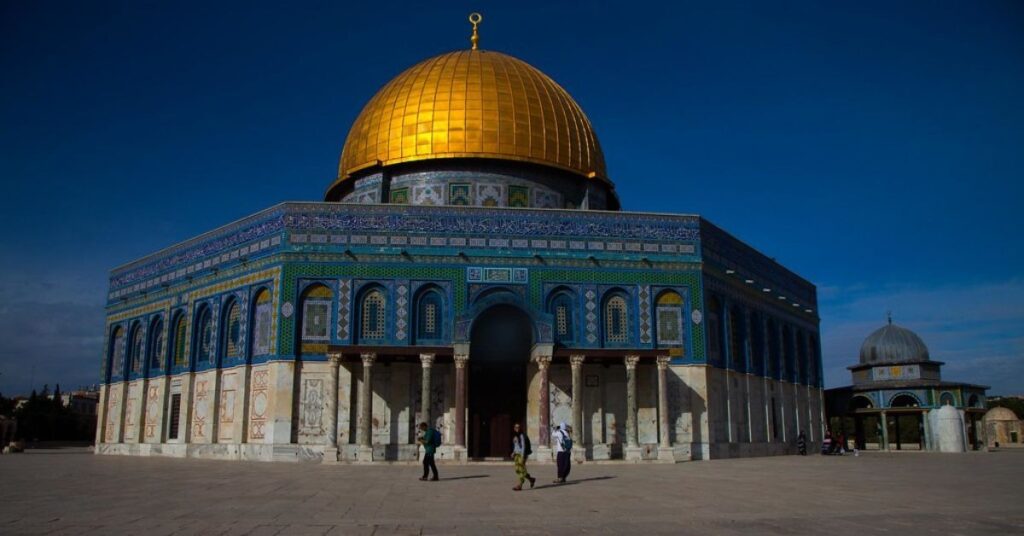
Rising above the Western Wall, Temple Mount is one of the most contested religious sites on Earth. It’s sacred to Jews, Muslims, and Christians alike.
The golden Dome of the Rock dominates the Jerusalem skyline and is one of the oldest works of Islamic architecture. Built in 691 CE, it marks the spot where Islamic tradition believes Prophet Muhammad ascended to heaven.
Non-Muslims can visit Temple Mount during specific hours, typically Sunday through Thursday from 7:30 AM to 11:00 AM and again from 1:30 PM to 2:30 PM. These hours change frequently, so check before you go.
Entry requires passing through security, and you must dress modestly. Women need to cover their shoulders, knees, and heads. No Jewish or Christian religious symbols are permitted.
The site can close without warning due to security concerns or religious holidays. While non-Muslims cannot enter the mosques themselves, walking around the plaza offers stunning views and a sense of the site’s significance.
This is definitely one of the most important things to do in Jerusalem for understanding the city’s complex religious landscape.
Church of the Holy Sepulchre
For Christians worldwide, the Church of the Holy Sepulchre represents the culmination of Jesus’s earthly journey. This ancient church is believed to stand on the sites of Jesus’s crucifixion, burial, and resurrection.
Walking into this cavernous church feels overwhelming. Incense smoke swirls through dim corridors, pilgrims weep openly, and the architecture spans centuries of renovation and addition.
The Stone of Anointing, just inside the entrance, is where tradition says Jesus’s body was prepared for burial. You’ll see pilgrims rubbing religious items and clothing on this stone.
The most sacred area is the Edicule, a small chapel housing what’s believed to be Jesus’s tomb. Expect long lines, especially during peak seasons. The wait can exceed an hour, but for many visitors, it’s worth every minute.
Six Christian denominations share custody of the church, sometimes leading to interesting dynamics. A Muslim family has held the keys to the main door for centuries, serving as a neutral party.
Entry is free, and the church is open daily from approximately 4:00 AM to 7:00 PM. Early morning visits offer the most peaceful experience.
Via Dolorosa: The Way of Sorrows
Walking the Via Dolorosa means following the path Jesus took carrying his cross to Golgotha. This route winds through the Old City’s narrow streets, marked by 14 stations commemorating events from that fateful day.
Each station represents a specific moment, from Jesus receiving his cross to his burial in the tomb. Small chapels and plaques mark most stations, though some have been absorbed into larger buildings.
The route begins near Lions’ Gate in the Muslim Quarter and ends at the Church of the Holy Sepulchre in the Christian Quarter. The walk takes about 30 to 45 minutes, though most people spend much longer stopping at each station.
Friday afternoons at 3:00 PM, Franciscan monks lead a procession along the Via Dolorosa. Joining this procession is one of the most meaningful things to do in Jerusalem for Christian pilgrims.
Guided tours can enhance your understanding of each station’s significance. However, walking it independently with a guidebook allows for personal reflection at your own pace.
City of David and Hezekiah’s Tunnel
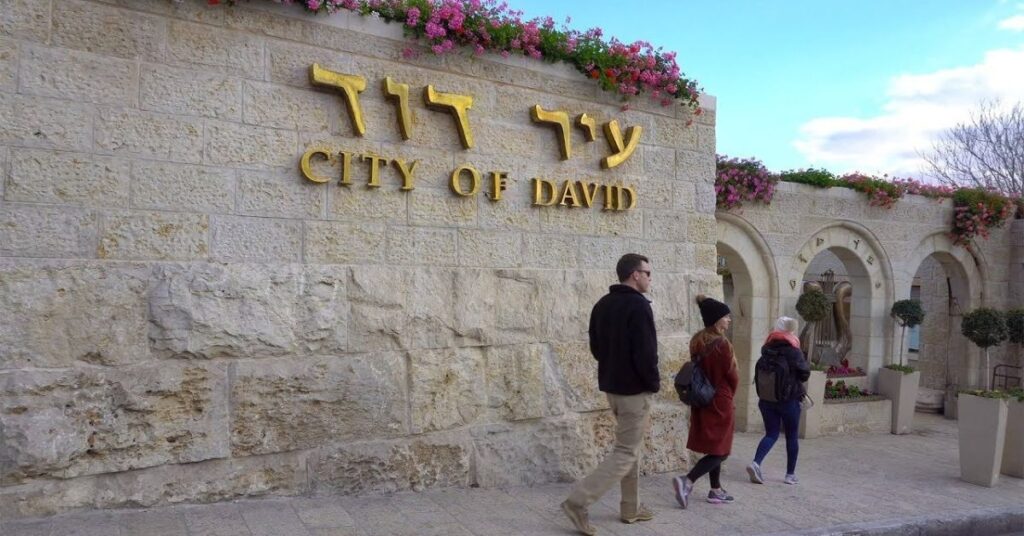
Just outside the Old City walls, the City of David archaeological site reveals Jerusalem’s ancient origins. This is where King David established his capital 3,000 years ago.
The highlight here is absolutely Hezekiah’s Tunnel, an incredible engineering feat from 701 BCE. King Hezekiah ordered this tunnel carved through solid rock to bring water into the city during an Assyrian siege.
You can wade through this tunnel, which stretches 533 meters through the mountain. The water reaches up to your knees in some sections, so wear sandals or water shoes.
Bring a flashlight or use your phone’s light. The tunnel is narrow and dark, making it an adventure that feels like you’re truly exploring ancient Jerusalem.
A dry alternative tunnel exists for those who prefer to stay out of the water. Both routes end at the Pool of Siloam, mentioned in the New Testament.
Tours run throughout the day and take approximately two hours. This site is among the best things to do in Jerusalem for history lovers and adventure seekers alike.
Mount of Olives: Breathtaking Views and Sacred Sites
Rising to the east of the Old City, the Mount of Olives offers the most spectacular panoramic views of Jerusalem. This is where you’ll capture those iconic photos with the golden Dome of the Rock gleaming in the foreground.
The mountain holds deep significance in Judaism, Christianity, and Islam. Jewish tradition says the resurrection of the dead will begin here, which is why the slopes are covered with ancient Jewish graves.
The Garden of Gethsemane, where Jesus prayed before his arrest, sits at the mountain’s base. Ancient olive trees, some over 2,000 years old, still grow here. The adjacent Church of All Nations features stunning purple-blue alabaster windows creating ethereal lighting inside.
The Chapel of Ascension marks where Christians believe Jesus ascended to heaven. The Mount of Olives Cemetery contains graves dating back 3,000 years, making it one of the oldest continuously used cemeteries in the world.
Walking from the top of the Mount of Olives down into the Kidron Valley and up to the Old City makes for a memorable morning. Wear comfortable shoes as the path can be steep and uneven.
Start early to avoid the heat and catch the best morning light for photographs.
Yad Vashem: The Holocaust Memorial
Yad Vashem stands as the world’s most comprehensive Holocaust memorial and museum. This isn’t just a museum, it’s a profound journey through one of humanity’s darkest chapters.
The architecture itself tells a story. The main museum building cuts through the mountain, symbolizing the disruption the Holocaust caused in the continuum of Jewish history.
Exhibits guide you chronologically through the rise of Nazi Germany, the implementation of the Final Solution, and the aftermath. Personal stories, photographs, and artifacts make the statistics heartbreakingly real.
The Children’s Memorial particularly moves visitors. In a darkened underground cavern, a single candle’s reflection creates an infinity of lights, each representing one of the 1.5 million Jewish children killed in the Holocaust.
The Hall of Names contains Pages of Testimony documenting Holocaust victims. The museum’s mission extends beyond remembrance to education about genocide prevention.
Allow at least three to four hours for your visit. Entry is free, but you must book tickets online in advance. The museum is closed on Saturdays and some Jewish holidays.
This emotionally demanding but essential experience ranks among the most important things to do in Jerusalem.
Israel Museum and the Dead Sea Scrolls
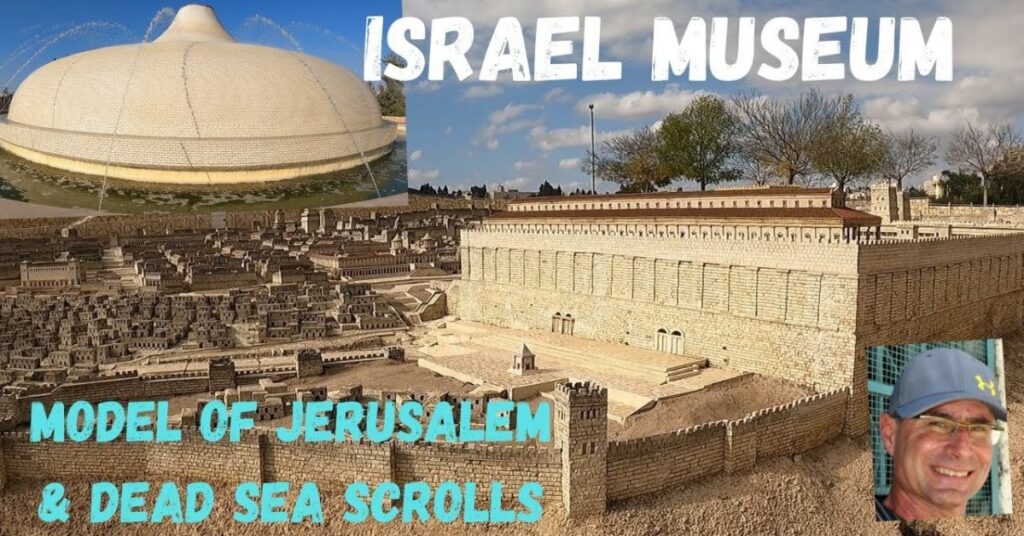
The Israel Museum houses the world’s most extensive collection of biblical archaeology and Jewish religious art. Art enthusiasts and history buffs could easily spend an entire day here.
The Shrine of the Book contains the Dead Sea Scrolls, the oldest biblical manuscripts ever found. Discovered in caves near the Dead Sea in 1947, these 2,000-year-old texts revolutionized our understanding of ancient Judaism and early Christianity.
The white dome of the Shrine of the Book was designed to resemble the lids of the jars in which the scrolls were found. Inside, you can see the actual Isaiah Scroll and other fragments displayed in temperature-controlled cases.
Outside, don’t miss the detailed scale model of Jerusalem from the Second Temple period. This incredibly accurate model helps visitors understand the city’s layout during Jesus’s time.
The archaeology wing displays artifacts spanning human civilization in the region from prehistoric times through the Ottoman period. The fine arts collection includes works from European masters and contemporary Israeli artists.
Adult admission costs approximately 54 NIS, with discounts for students and seniors. The museum is closed on Mondays and certain Jewish holidays.
Mahane Yehuda Market: A Feast for the Senses
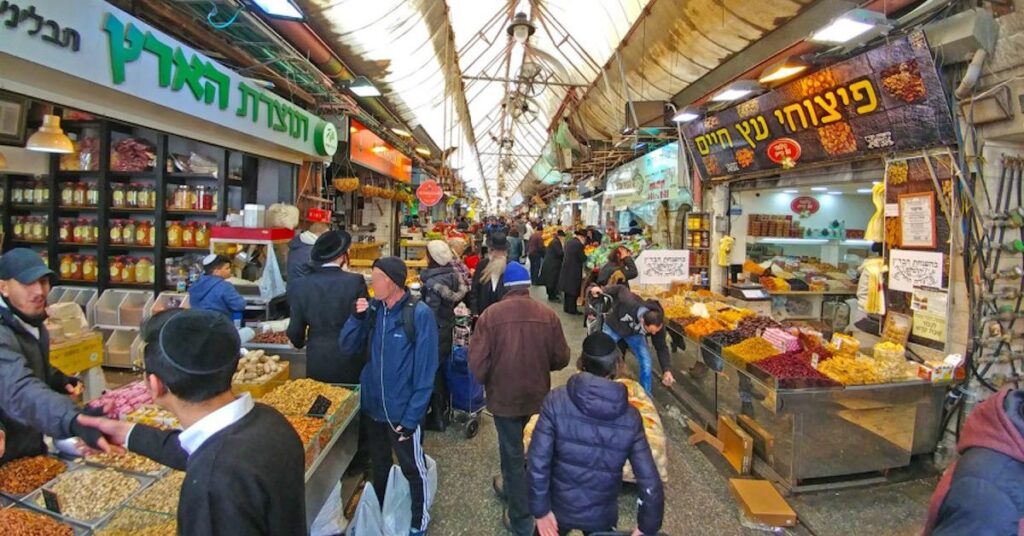
Known affectionately as “The Shuk,” Mahane Yehuda Market is where Jerusalem’s culinary heart beats strongest. This vibrant marketplace has been feeding Jerusalem residents for over a century.
During the day, vendors shout their prices over mountains of fresh produce, aromatic spices piled in colorful pyramids, and baked goods still warm from the oven. The energy is infectious as locals haggle and tourists wander wide-eyed through the sensory overload.
Sample fresh-squeezed pomegranate juice, taste halvah in a dozen flavors, and try Jerusalem bagels topped with za’atar. The mixed spice shops sell everything from traditional Middle Eastern blends to exotic imports from around the world.
Don’t leave without trying bourekas, flaky pastries filled with cheese, potato, or spinach. Pair them with fresh-squeezed juice for a quintessential Jerusalem snack.
As evening falls, the market transforms. Metal shutters come down on produce stalls, and in their place, trendy bars and restaurants open. Local street artists have painted many of the shutters, turning the market into an open-air art gallery.
Friday mornings before Shabbat are the busiest times, when locals stock up for the weekend. This chaos is part of the experience, but arrive early to avoid the biggest crowds.
The market operates Sunday through Thursday from approximately 8:00 AM to 7:00 PM, and shorter hours on Fridays. These are definitely some of the best things to do in Jerusalem for food lovers.
Tower of David Museum
Despite its name, the Tower of David has nothing to do with King David. This ancient citadel dates to the 2nd century BCE and has been fortified by every power that controlled Jerusalem.
Today it houses a museum chronicling Jerusalem’s 4,000-year history. The exhibits walk you through different periods, from the city’s founding through Canaanite, Israelite, Roman, Byzantine, Islamic, Crusader, Mamluk, Ottoman, British, and modern Israeli periods.
Climbing to the top of the tower rewards you with 360-degree views of both the Old City and modern Jerusalem. You can spot landmark after landmark from this strategic vantage point.
The Night Spectacular sound and light show projected onto the ancient walls brings Jerusalem’s history to life after dark. The show runs most evenings and tickets must be booked in advance.
Standard admission is about 40 NIS for adults. The museum is closed on Fridays and Saturdays for Shabbat but occasionally offers special programming.
Exploring Jerusalem’s Four Quarters
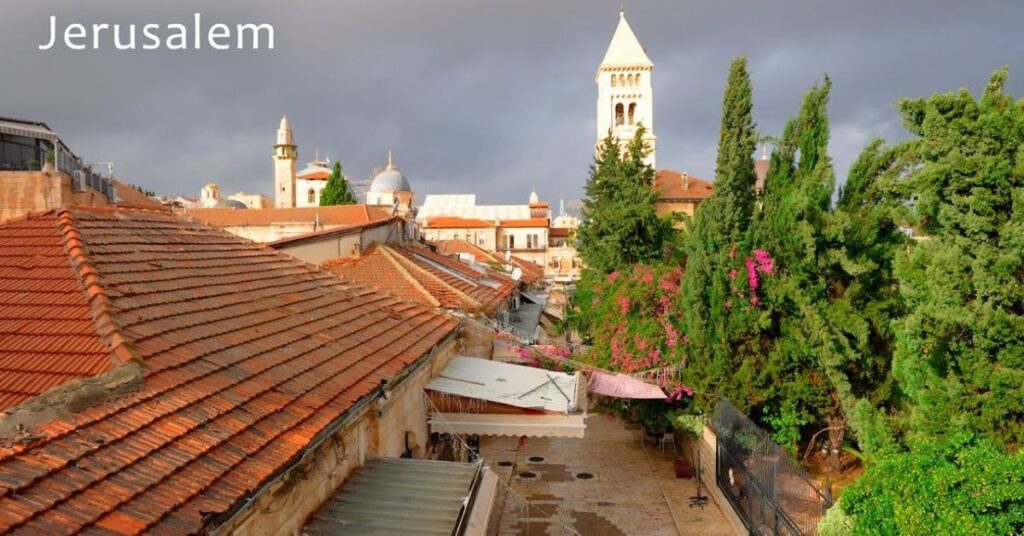
Each of the Old City’s four quarters offers distinct experiences and deserves exploration.
The Jewish Quarter is the most modern and organized, rebuilt after 1967. Wide plazas contrast with the narrow alleys of other quarters. Visit the Cardo, an ancient Roman street now partly covered and lined with upscale shops.
The Muslim Quarter is the largest and most densely populated. Its narrow, winding souks overflow with everything from spices and ceramics to textiles and knockoff souvenirs. Haggling is expected and part of the fun.
The Christian Quarter centers around the Church of the Holy Sepulchre. Numerous churches, monasteries, and hospices serve pilgrims from around the world. The atmosphere here feels distinctly medieval European.
The Armenian Quarter is the smallest and quietest. Beautiful tilework adorns doorways and walls. The Armenian community has maintained a presence in Jerusalem for over 1,600 years.
Simply wandering from quarter to quarter, observing how quickly the atmosphere shifts, ranks among the most fascinating things to do in Jerusalem.
The Garden Tomb: A Peaceful Alternative
While the Church of the Holy Sepulchre draws massive crowds, the Garden Tomb offers a serene alternative. Some Protestants believe this garden and tomb complex represents the actual site of Jesus’s burial and resurrection.
The site matches biblical descriptions closely: a rock-cut tomb in a garden near a hill that resembles a skull. A rock-cut channel shows where a rolling stone would have sealed the entrance.
Whether or not this is the actual site matters less than the peaceful contemplative space it provides. Beautiful gardens surround the tomb, with olive trees offering shade for reflection and prayer.
Entry is free, though donations are welcomed. Friendly volunteers lead short tours explaining why they believe this represents the biblical Golgotha and Jesus’s tomb.
The site operates as a Protestant ministry, so expect an evangelical Christian perspective during tours. However, visitors of all faiths or none are welcomed warmly.
The Garden Tomb provides a quieter, more reflective experience compared to the often-chaotic Church of the Holy Sepulchre. This makes it one of the best things to do in Jerusalem for those seeking spiritual contemplation.
Ramparts Walk: Walking on the City Walls
For a unique perspective on the Old City, walk along the top of its ancient walls. The Ramparts Walk allows you to literally walk in the footsteps of guards who defended Jerusalem for centuries.
Two routes are available. The southern route runs from Jaffa Gate to Dung Gate, offering spectacular views of the City of David, Mount Zion, and the Jewish Quarter. The northern route extends from Jaffa Gate past New Gate to Damascus Gate, providing views over the Muslim and Christian Quarters.
Life-size statues of soldiers from different periods stand guard along the walls. Information plaques explain the walls’ history and point out important landmarks visible from various points.
The walk takes about 30 to 45 minutes per route, though you’ll want to stop frequently for photos and to take in the views. The paths can be narrow with steep stairs in sections, so it’s not suitable for those with mobility issues.
Entry costs approximately 25 NIS for adults and 12 NIS for children. During some holidays, like Passover, entry may be free.
Early morning or late afternoon offers the best light for photography and more comfortable temperatures during summer months.
Ben Yehuda Street and Jaffa Street
Jerusalem’s downtown pulse beats along these two pedestrian-friendly streets. Ben Yehuda Street, closed to vehicles, buzzes with street performers, outdoor cafes, and shops selling everything from books to jewelry.
This is where modern Jerusalem life unfolds. Young people hang out at cafes, tourists browse souvenir shops, and street musicians provide a soundtrack to the urban energy.
Jaffa Street runs from Jaffa Gate through downtown Jerusalem. The light rail runs down its center, making it easy to hop on and off to explore different neighborhoods.
Both streets come alive in the evenings, especially Thursday nights when locals begin their weekend. Coffee shop culture thrives here, and you’ll understand why Israelis have a reputation for strong opinions and passionate debates.
These aren’t ancient sites or religious landmarks, but experiencing everyday Jerusalem life is one of the authentic things to do in Jerusalem.
King David’s Tomb and Room of the Last Supper
Mount Zion, just outside the Old City walls, houses two significant sites sharing the same building. King David’s Tomb occupies the lower floor, while the Cenacle, or Room of the Last Supper, sits directly above it.
King David, the warrior-poet king who made Jerusalem Israel’s capital 3,000 years ago, is traditionally believed to be buried here. Jewish men pray in a room with a large cloth-covered cenotaph, while women pray in an adjacent smaller room.
Upstairs, the Cenacle’s Gothic arches date from Crusader times, though tradition places Jesus’s Last Supper with his disciples in an earlier structure on this spot. The current room also marks where early Christians believed the Holy Spirit descended at Pentecost.
The juxtaposition of Jewish and Christian holy sites in one building exemplifies Jerusalem’s layered religious significance. Both sites are free to visit and open daily except during certain Jewish holidays.
Modest dress is required. Men should cover their heads when visiting the tomb, and women should ensure shoulders and knees are covered.
The nearby Dormition Abbey, with its distinctive conical roof, marks where Christians believe the Virgin Mary died. The beautiful church is worth visiting for its stunning interior mosaics and peaceful atmosphere.
Things to Do in Jerusalem at Night
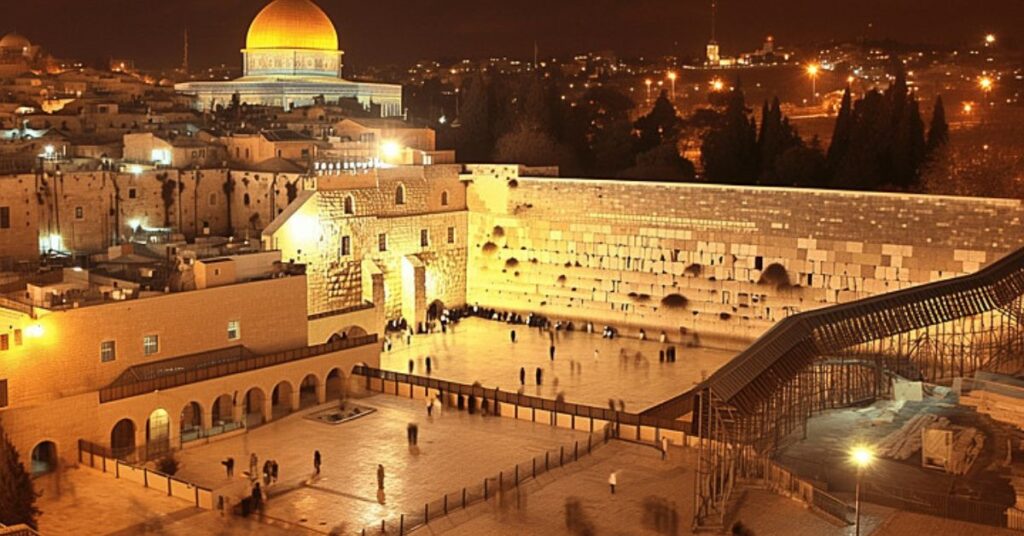
Jerusalem after dark offers completely different experiences from daytime sightseeing. The Old City’s ancient walls, illuminated against the night sky, create a magical atmosphere.
The Tower of David Night Spectacular projects lights and sounds onto the ancient fortress walls, bringing Jerusalem’s history to life. This 45-minute show runs most evenings and must be booked in advance.
Mahane Yehuda Market transforms from a food market into a bar and restaurant scene after dark. Young Jerusalemites crowd into trendy bars tucked behind market stalls, creating an energetic nightlife scene.
Walking along the promenades around the city reveals Jerusalem’s skyline lit up at night. The Haas-Sherover Promenade offers particularly stunning nighttime views.
Some religious sites, like the Western Wall, are accessible 24/7. Visiting the Wall late at night provides a more intimate and spiritual experience with far fewer crowds.
First Station, a renovated historic train station, hosts outdoor concerts and cultural events many evenings, especially during summer months.
These nighttime activities rank among the most memorable things to do in Jerusalem and show the city’s diverse character.
Things to Do in Jerusalem with Kids
Jerusalem might seem like an adults-only historical destination, but plenty of activities engage children of all ages.
The Biblical Zoo, officially the Tisch Family Zoological Gardens, houses animals mentioned in the Bible alongside other species. The zoo’s modern, spacious enclosures and interactive exhibits keep kids entertained for hours.
The Train Theater offers puppet shows and children’s performances, though most are in Hebrew. The visual nature of puppetry transcends language barriers.
Time Elevator Jerusalem combines moving seats with 3D screens to take kids on a historical journey through the city’s past. It’s educational entertainment that makes history feel like a theme park ride.
Jerusalem’s many parks feature excellent playgrounds. Sacher Park hosts Israel’s largest climbing structure, guaranteed to tire out energetic kids.
Teddy Park, near the Old City, features a spectacular fountain show every hour or two during summer months. Kids can run through the fountains and cool off while parents relax nearby.
The City of David tunnel walk, while historical, feels like an adventure to kids. Wading through ancient water tunnels with flashlights keeps children engaged with history.
The Israel Museum’s Youth Wing offers hands-on art activities designed for children. The outdoor archaeology garden lets kids explore ancient buildings and artifacts.
These family-friendly experiences prove that the best things to do in Jerusalem appeal to visitors of all ages.
Things to Do in Jerusalem on a Rainy Day
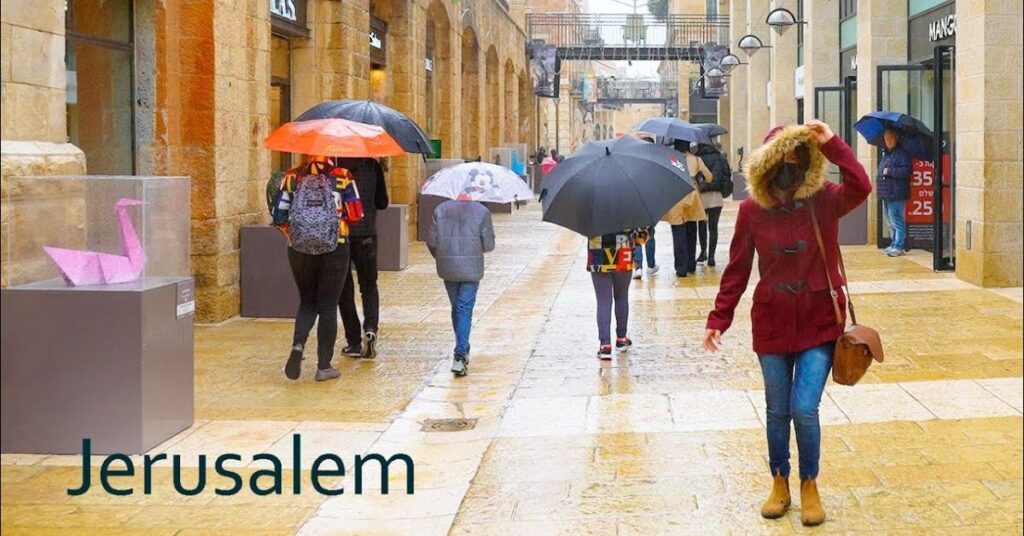
Jerusalem’s Mediterranean climate brings occasional winter rains. When the weather doesn’t cooperate, indoor attractions provide excellent alternatives.
The Israel Museum could easily fill an entire rainy day. Beyond the Dead Sea Scrolls, explore the archaeology wing, fine arts collection, and youth activities.
Yad Vashem, though emotionally heavy, provides a profound indoor experience. The museum’s architecture and exhibits are designed to lead visitors through a carefully curated journey.
The Tower of David Museum chronicles Jerusalem’s history through engaging exhibits. Even if you’ve walked the city’s streets, understanding the layers of history adds depth to your experience.
Take a cooking class and learn to prepare traditional Middle Eastern dishes. Several schools in Jerusalem offer short classes where you’ll make hummus, pita, and other staples.
Visit the Bible Lands Museum for artifacts and exhibits relating to biblical times. The museum offers context for the historical and religious sites you’ll visit when the sun returns.
Underground sites like the Western Wall Tunnels remain comfortable regardless of weather. These excavations reveal Jerusalem’s layers beneath modern street level.
Many of Jerusalem’s churches and synagogues welcome visitors during services. Experiencing Jewish Shabbat services or Christian liturgies provides cultural insight beyond sightseeing.
Jerusalem’s diverse museums and indoor attractions ensure that rainy days won’t dampen your itinerary or limit your exploration of the city’s treasures.
Things to Do in Jerusalem for Couples
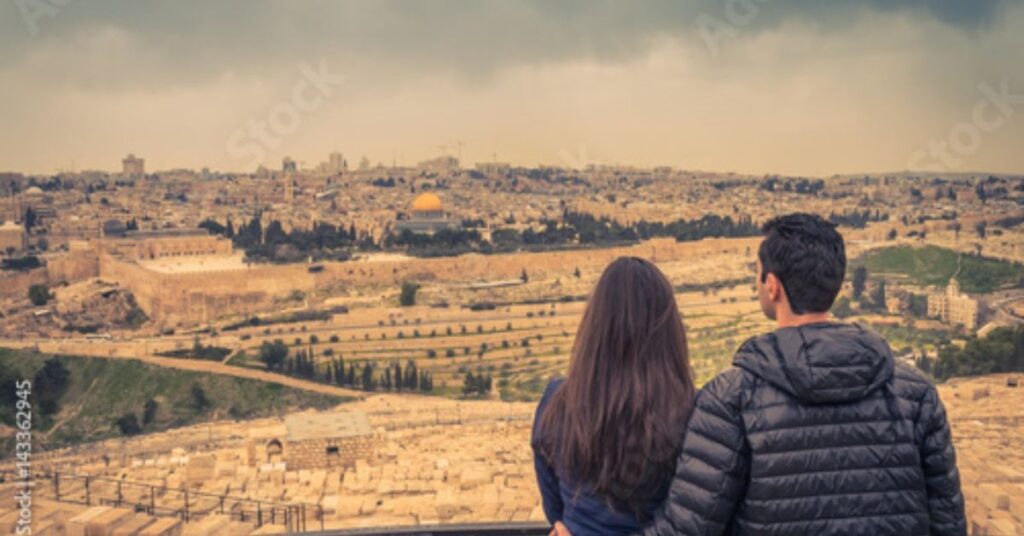
Jerusalem offers romantic experiences beyond its historical and religious significance. The city’s eternal beauty creates memorable backdrops for couples.
Sunset from the Mount of Olives provides stunning views as the ancient city turns golden. Bring a bottle of wine and watch Jerusalem transition from day to night.
The Haas-Sherover Promenade offers another spectacular viewpoint. Walk hand-in-hand along the pedestrian path with Jerusalem spread before you.
Dining at Eucalyptus, located near the Old City, combines gourmet biblical cuisine with romantic ambiance. The chef recreates dishes from ancient times using modern techniques.
Take a couples’ cooking class and learn to prepare traditional dishes together. It’s hands-on, fun, and you’ll leave with new skills for impressing dinner guests back home.
The First Station complex offers romantic dining options in the restored train station. Outdoor seating creates a lovely atmosphere for evening meals.
Explore the Old City together without a fixed agenda. Getting intentionally lost in the narrow streets creates unexpected discoveries and shared adventures.
Book a couples’ spa treatment at one of Jerusalem’s luxury hotels. After days of walking ancient streets, professional massage feels heavenly.
These romantic activities showcase how the best things to do in Jerusalem extend beyond historical tourism to creating lasting memories together.
Free and Budget-Friendly Things to Do in Jerusalem
Jerusalem offers incredible experiences without breaking your budget. Many of the city’s most significant sites charge minimal or no admission.
The Western Wall is free and accessible 24/7. One of Judaism’s holiest sites welcomes all visitors at no cost.
Walking the Old City’s streets and quarters costs nothing except perhaps a few shekels for fresh-squeezed juice or a pastry. The experience of wandering these ancient alleys is priceless.
Most churches, including the Church of the Holy Sepulchre, are free to enter. Modest dress and respectful behavior are the only requirements.
The Haas-Sherover Promenade offers million-dollar views of Jerusalem absolutely free. Pack a picnic and enjoy the scenery.
Gazelle Valley, a nature preserve right in Jerusalem, offers free entry. Watch gazelles and other wildlife in this urban oasis.
First Station hosts free concerts, yoga classes, and cultural events. Check their schedule for evening entertainment.
Many museums offer free entry during Chol HaMoed (intermediate days of major Jewish holidays) and on International Museum Day in May.
The Knesset and Supreme Court both offer free tours, though you must book in advance.
Simply experiencing the city’s markets, neighborhoods, and street life provides rich cultural immersion for free.
Jerusalem proves that the most meaningful things to do don’t always require spending money, making it accessible to travelers on any budget.
Practical Tips for Visiting Jerusalem
Understanding Jerusalem’s unique character helps you navigate the city smoothly and respectfully.
Dress modestly when visiting religious sites. Men and women should cover shoulders and knees. Women might want to carry a scarf for covering their heads at certain sites.
Many sites close or have reduced hours on Shabbat, from Friday evening through Saturday evening. Plan accordingly, especially if you want to visit specific attractions.
The light rail and buses make getting around Jerusalem easy and affordable. Purchase a Rav-Kav card for convenient payment on public transit.
Security checkpoints at major sites are common. Arrive early to account for security screening time, especially at popular attractions.
Jerusalem’s Old City terrain is steep with uneven surfaces. Wear comfortable walking shoes with good support.
Stay hydrated, especially during summer months. Carry a refillable water bottle and use the many public fountains.
Learn a few basic Hebrew and Arabic phrases. While many Jerusalemites speak English, locals appreciate efforts to use their languages.
Keep your accommodation address written in Hebrew. Taxi drivers may not know street names in English.
ATMs are widely available, but many small shops and market vendors prefer cash. Haggling is expected in markets but not in established stores.
Be aware of your surroundings but don’t let security concerns prevent you from experiencing the city. Jerusalem is generally safe for tourists who exercise normal precautions.
These practical considerations help ensure your Jerusalem visit is smooth, respectful, and enjoyable, allowing you to focus on the incredible experiences the city offers.
Best Time to Visit Jerusalem
Jerusalem welcomes visitors year-round, but certain seasons offer advantages depending on your priorities.
Spring brings perfect weather with mild temperatures and blooming flowers. Easter and Passover fall during this season, creating incredible spiritual energy but also large crowds and higher prices.
Summer sees hot, dry weather with temperatures often exceeding 30°C. This is peak tourist season, meaning longer lines at popular attractions but also extended hours and more frequent tours.
Autumn offers another ideal weather window. The Jewish High Holidays in September or October bring fascinating cultural experiences but also closures and crowds.
Winter is the least crowded season. While you might encounter some rain and cooler temperatures, you’ll find shorter lines and lower prices. Christmas in Bethlehem creates a magical atmosphere.
Each season brings unique experiences and festivals that showcase different aspects of Jerusalem’s culture. The best time for your visit depends on whether you prioritize weather, crowds, or specific cultural events.
Making Your Jerusalem Experience Unforgettable
Jerusalem rewards those who approach it with open minds and patient hearts. This is not a city to rush through on a packaged tour.
Take time to sit in a courtyard and simply observe. Watch pilgrims, students, and everyday residents moving through spaces that have held significance for thousands of years.
Talk to locals. Jerusalemites love sharing their city’s stories and their own perspectives on life here. Every taxi driver, shop owner, and restaurant server has insights that no guidebook can provide.
Sample the food fearlessly. From street-side falafel stands to family-run restaurants, Jerusalem’s culinary scene reflects its diverse population.
Attend a Shabbat dinner if possible. Many organizations connect travelers with local families for this weekly celebration. It provides cultural immersion that transforms your understanding of Jewish life.
Visit during festivals when possible. Experiencing Hanukkah, Ramadan, or Easter in Jerusalem adds profound depth to these celebrations.
Don’t try to see everything. It’s better to experience fewer sites deeply than to race through a checklist. Jerusalem deserves contemplation, not box-checking.
The city’s spiritual energy affects visitors regardless of their religious background. Allow yourself to be moved by the devotion you witness, even if you don’t share those specific beliefs.
Jerusalem changes everyone who visits with an open heart. The city doesn’t reveal itself to hurried tourists. It shares its secrets with those who take time to listen, observe, and feel its timeless pulse.
These are just some of the countless things to do in Jerusalem. The ancient city holds enough history, spirituality, and culture to occupy a lifetime of exploration.
Whether you spend three days or three weeks here, Jerusalem will leave an imprint on your soul. It challenges assumptions, broadens perspectives, and connects you to something larger than yourself.
Start planning your Jerusalem adventure today. This extraordinary city awaits, ready to share its stories with those ready to listen.
Conclusion
Jerusalem is not just a place to visit, it’s a city to feel. Every street, stone, and sound tells a story that connects past and present. Take your time to explore, listen, and let the city move you.
No matter your beliefs, Jerusalem touches everyone differently. Its mix of ancient history, living culture, and deep spirituality makes it unlike anywhere else in the world. Each visit leaves you with memories and emotions that stay long after you leave.
Whether you come for faith, history, or curiosity, Jerusalem offers something truly special. Walk slowly, look closely, and you’ll find beauty and meaning in every corner of this timeless city.
FAQs
1. What is the best time to visit Jerusalem?
Spring (March–May) and autumn (September–November) have pleasant weather and fewer crowds.
2. Is Jerusalem safe for tourists?
Yes, it’s generally safe. Just stay aware of your surroundings and follow local guidelines.
3. What should I wear when visiting religious sites?
Dress modestly to cover shoulders and knees, and women may need a scarf for certain places.
4. How many days do I need in Jerusalem?
Spend at least 3–4 days to explore major sites and enjoy the city’s atmosphere.
5. Can I visit both Israeli and Palestinian areas?
Yes, many tourists visit both, but carry your passport and check travel advisories before crossing checkpoints.