

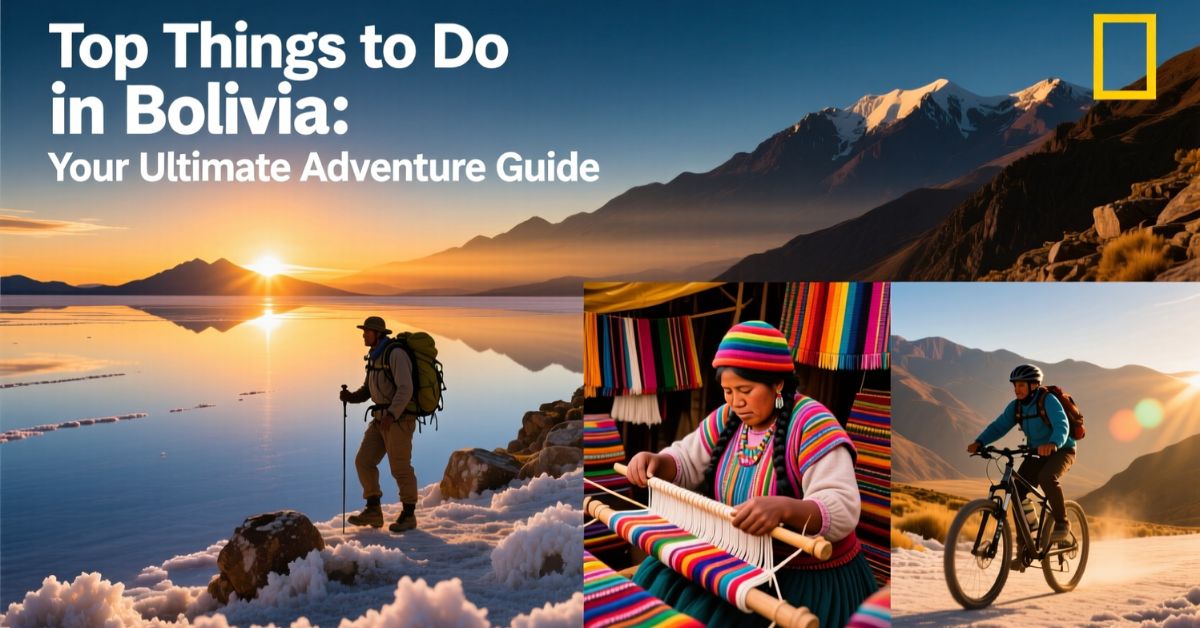
Bolivia has quietly become one of South America’s most captivating destinations, and for good reason. While many travelers rush through Peru or Argentina, those who pause in Bolivia discover a country that feels like several worlds compressed into one breathtaking landscape.
From the world’s largest salt flats that stretch endlessly into the horizon to the lush depths of the Amazon rainforest, Bolivia offers experiences that challenge everything you thought you knew about South American travel.
I’ve spent months exploring this diverse country, and each region revealed something completely unexpected. Whether you’re planning a family vacation, seeking adrenaline-pumping adventures, or simply want to immerse yourself in authentic culture, the things to do in Bolivia will exceed every expectation.
Let me take you through the absolute best experiences this remarkable country has to offer.
Cross the Mesmerizing Salar de Uyuni
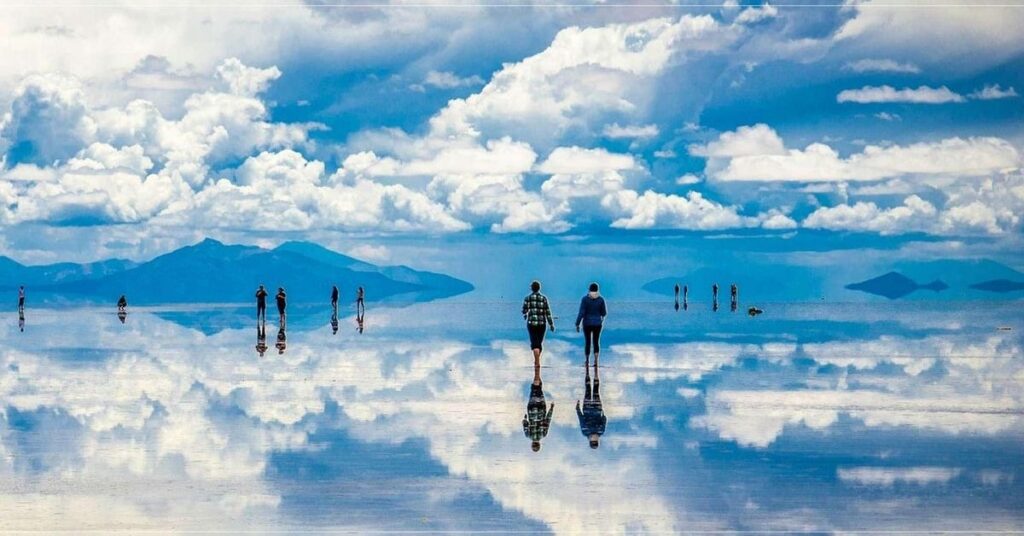
The Salar de Uyuni isn’t just Bolivia’s crown jewel. It’s one of the most extraordinary natural wonders on Earth. Spanning over 10,000 square kilometers, this vast expanse of white crystallized salt creates an otherworldly landscape that feels like stepping onto another planet.
Most travelers book three to four-day tours from either Uyuni or Tupiza. These multi-day expeditions take you deep into the heart of the salt flats and surrounding Andean landscapes. You’ll visit colorful lagoons where flamingos gather by the thousands, witness geysers erupting at dawn, and soak in natural hot springs surrounded by snow-capped peaks.
The debate about when to visit often centers on two distinct seasons. During summer months from December to March, rainfall creates a thin layer of water across the flats, transforming them into the world’s largest natural mirror. The reflection effect is absolutely magical for photography.
However, winter visits from May to September offer their own advantages. You can access Isla Incahuasi, a cactus-covered island rising from the salt, and the clear skies create perfect conditions for some of the world’s best stargazing. With minimal light pollution at over 3,600 meters elevation, the Milky Way appears so vivid you’ll feel like you can touch it.
The experience of standing in the middle of this endless white expanse, with nothing but horizon in every direction, creates a sense of infinite space that’s genuinely humbling. It’s definitely one of the top things to do in Bolivia, South America.
Conquer the World’s Most Dangerous Road
If you’re searching for things to do in Bolivia that get your heart racing, cycling down Death Road should top your list. The Yungas Road, as it’s officially known, earned its notorious nickname honestly. This 64-kilometer stretch connecting La Paz to the lowland valleys features narrow passages, sheer 600-meter drops, and hairpin turns that have claimed many lives over the decades.
Today, it’s primarily a tourist attraction since a safer bypass road was constructed. But don’t let that fool you into thinking it’s easy. The descent is intense, starting at over 4,600 meters and dropping through cloud forests to the subtropical town of Coroico at 1,200 meters.
The entire ride takes about six hours with plenty of stops for photos and to catch your breath. You’ll navigate loose gravel, dodge waterfalls cascading over the road, and feel the temperature rise dramatically as you descend through multiple climate zones.
Safety is paramount, so choose a reputable company with modern equipment and experienced guides. Make sure they provide quality bikes with reliable brakes because you’ll need them. The views along the route are spectacular, but keep your eyes on the road ahead.
Despite the intimidating name, thousands of cyclists tackle Death Road every year without incident. It remains one of the most thrilling outdoor activities available and consistently ranks among the best things to do in Bolivia reddit discussions.
Explore the Pink Waters of Laguna Colorada
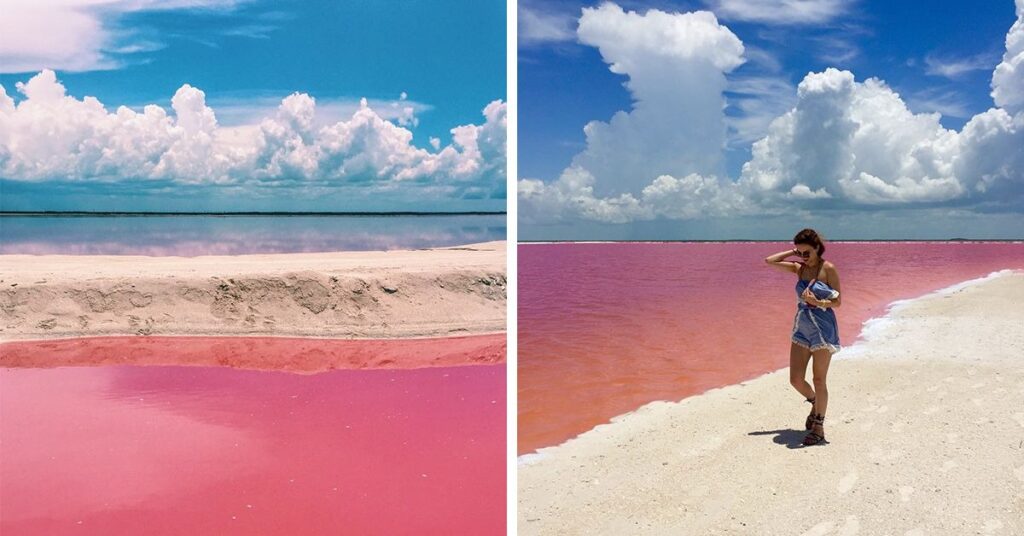
Hidden in the Eduardo Avaroa Andean Fauna National Reserve, Laguna Colorada is nature’s masterpiece painted in shades of red and pink. The vivid coloring comes from red algae and mineral deposits that thrive in the shallow, saline waters.
But the real stars of this show are the flamingos. Three different species congregate here by the thousands: Chilean, Andean, and James’s flamingos. Watching these elegant birds feed in the blood-red waters against a backdrop of towering Andean peaks creates one of Bolivia’s most iconic scenes.
The lagoon sits at a breathtaking 4,278 meters above sea level, so you’ll definitely feel the altitude. Most visitors reach Laguna Colorada as part of multi-day Salar de Uyuni tours. The journey takes you through some of Bolivia’s most remote and spectacular landscapes.
Early morning visits offer the best light for photography, with mist rising off the water and flamingos silhouetted against the sunrise. There’s a short walking trail along the shore and an elevated viewpoint that provides panoramic perspectives of this natural wonder.
It’s worth noting that access can be restricted during flooding seasons, so confirm with your tour operator beforehand. When conditions are right, Laguna Colorada delivers one of those rare travel moments that genuinely takes your breath away.
Discover Lake Titicaca and Isla del Sol
Lake Titicaca holds deep spiritual significance in Andean culture. As the world’s highest navigable lake at 3,812 meters, it’s also massive, covering 8,372 square kilometers split between Bolivia and Peru.
The Bolivian side offers a more authentic and peaceful experience compared to its heavily touristed Peruvian counterpart. The charming town of Copacabana serves as your gateway, where you’ll find plenty of restaurants serving fresh trout caught daily from the lake.
But the real treasure lies a short boat ride away. Isla del Sol, or Island of the Sun, is where Inca mythology says the sun was born. This sacred island features ancient ruins, traditional villages, and hiking trails that reward you with spectacular lake views.
I recommend spending at least two nights on Isla del Sol. This gives you time to hike between the island’s north and south ends, explore multiple archaeological sites, and experience the magical sunrise and sunset that the island is famous for. The paths connecting different parts of the island wind through terraced hillsides and past grazing llamas.
The island has minimal development, which means basic accommodations and limited electricity in some areas. But this simplicity is part of its charm. Evenings spent watching the sun set over the lake, with the Andes mountains providing a dramatic backdrop, create memories that last forever.
For families wondering about things to do in Bolivia with kids, the boat ride and gentle hikes around Isla del Sol work perfectly for children who can handle the altitude.
Experience La Paz from the Sky
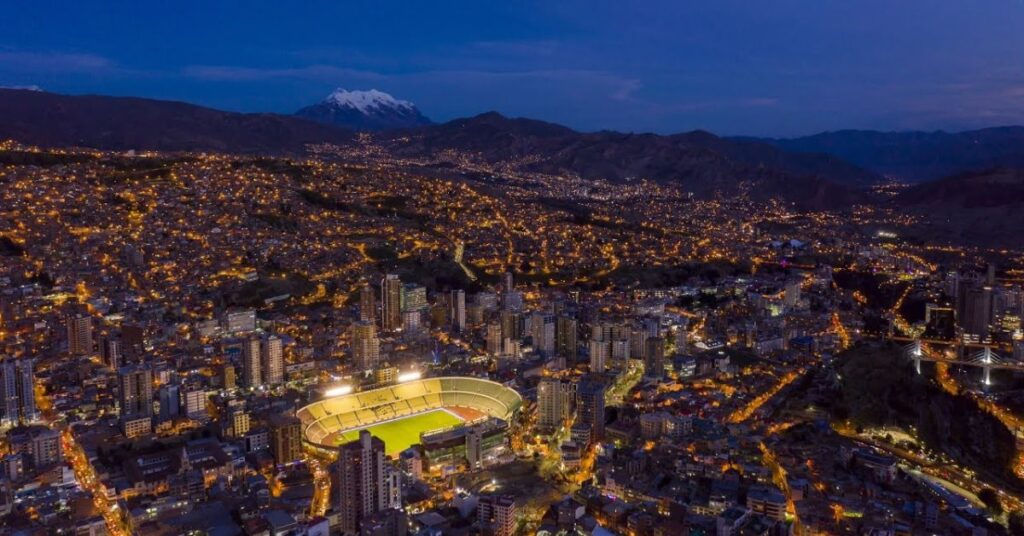
La Paz has revolutionized urban transportation with Mi Teleférico, the world’s highest and longest urban cable car network. This isn’t just practical infrastructure. It’s become one of the most enjoyable things to do in Bolivia for visitors.
The system connects La Paz with the adjacent city of El Alto through ten color-coded lines spanning over 30 kilometers. Riding the cable cars provides a unique aerial perspective of this chaotic, fascinating city sprawling across a dramatic valley.
Each ride costs just 3 Bolivianos (about $0.40), making it incredibly affordable to spend hours exploring different lines. The Yellow and Red lines offer the best panoramic views of the city bowl surrounded by snow-capped mountains.
For the ultimate experience, take the cable car to the Qhana Pata viewpoint. From this elevated position, you can truly appreciate the scale of La Paz, with its distinctive rust-colored buildings climbing impossibly steep hillsides.
The cable cars are generally safe and clean, though I recommend avoiding late-night rides alone and keeping valuables secure during crowded times. During the day, it’s perfectly fine for families and solo travelers alike.
Using Mi Teleférico also provides glimpses into daily life for La Paz residents. You’ll see people commuting to work, students heading to school, and vendors transporting goods. It’s an immersive cultural experience wrapped in convenient transportation.
Venture into the Amazon Rainforest
Most people associate Bolivia with high-altitude landscapes, so it surprises many travelers to learn that over half the country is covered by Amazon rainforest. The Bolivian Amazon offers incredible wildlife viewing opportunities at more affordable prices than neighboring countries.
The town of Rurrenabaque serves as the main jumping-off point for Amazon tours. From here, you can explore both the Pampas wetlands and Madidi National Park. The Pampas offers easier wildlife spotting, with pink river dolphins, capybaras, caimans, and countless bird species regularly visible.
Madidi National Park provides a more authentic jungle experience with dense primary rainforest. It’s one of the world’s most biodiverse protected areas, home to jaguars, spectacled bears, giant otters, and over 1,000 bird species.
However, ethical concerns exist with some tour operators in Rurrenabaque. Some companies allow tourists to handle wildlife or chase dolphins, which stresses the animals unnecessarily. Research your tour company carefully and choose operators that follow responsible wildlife viewing guidelines.
An excellent alternative is Chuchini Eco-Lodge near Trinidad. They operate a large wildlife reserve focused on conservation and rehabilitation. The guided experiences here prioritize animal welfare while still providing amazing encounters with Amazonian wildlife.
Whether you’re interested in things to do in Bolivia in December or visiting during other months, the Amazon maintains relatively consistent temperatures and wildlife activity year-round. Just prepare for humidity, rain, and plenty of mosquitoes.
Hike Through Andean Landscapes
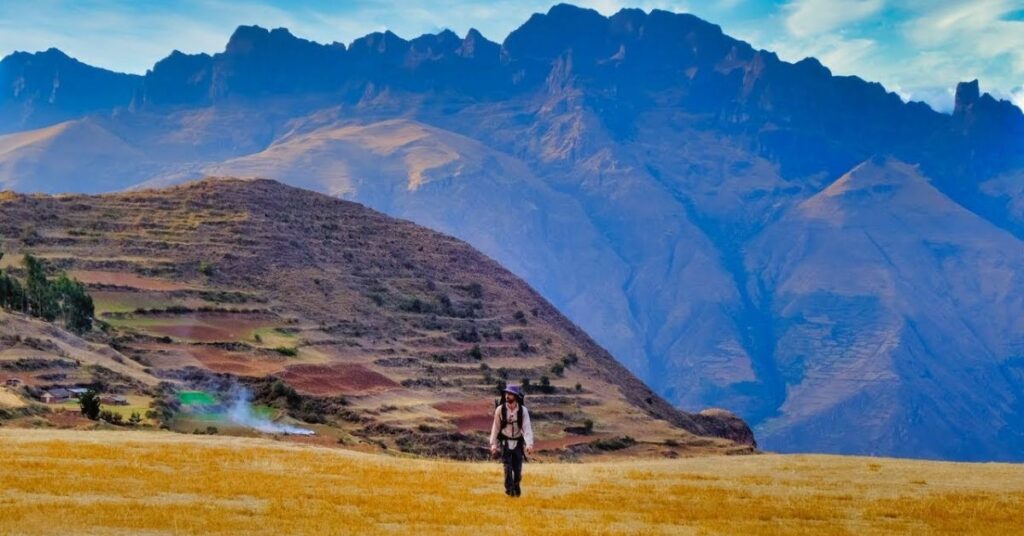
Bolivia offers some of South America’s most spectacular yet underrated hiking. The country’s dramatic topography creates trails that take you through multiple ecosystems, from high-altitude tundra to cloud forests, often in a single day.
One standout trek is Pico Austria near La Paz. This challenging day hike climbs to 5,300 meters, rewarding hikers with views of turquoise glacial lagoons, ice fields, and endless mountain ranges. The altitude makes this genuinely tough, but the scenery justifies every labored breath.
For experienced mountaineers, Huayna Potosí presents an achievable 6,088-meter peak. It’s considered one of the world’s best beginner mountaineering experiences, though “beginner” is relative here. You’ll need to use crampons, ice axes, and ropes while battling significant altitude.
Most guided Huayna Potosí expeditions run three days. The first day covers technical training, day two involves trekking to base camp, and day three starts with a midnight summit push to reach the top at sunrise. The pre-dawn climb under a headlamp with only your breath and footsteps for company creates an almost meditative experience.
For less extreme hiking, Valle de la Luna near La Paz offers strange rock formations and easy trails suitable for all fitness levels. Torotoro National Park features canyons, waterfalls, caves, and even dinosaur footprints accessible through moderate hikes.
These hiking opportunities make Bolivia perfect for outdoor enthusiasts seeking things to do in Bolivia that combine adventure with natural beauty.
Immerse Yourself in Indigenous Culture
Bolivia has the highest percentage of indigenous population in South America, and their vibrant traditions infuse daily life throughout the country. Experiencing this rich cultural heritage provides some of the most meaningful things to do in Bolivia.
La Paz’s Witches Market offers a fascinating introduction. The Mercado de las Brujas sells traditional remedies, potions, and the famous dried llama fetuses used in building ceremonies as offerings to Pachamama (Mother Earth). While it’s become somewhat touristy, it remains an important part of Bolivian tradition.
For a more authentic market experience, visit El Alto’s sprawling Thursday and Sunday markets. Here, locals shop for everything from electronics to livestock, and you’ll find traditional healers, fortune tellers, and stalls selling items for indigenous ceremonies.
Cholitas wrestling in El Alto provides unique entertainment. These matches feature indigenous women in traditional bowler hats and layered skirts performing choreographed wrestling moves. It’s theatrical and playful, celebrating Cholita culture while reclaiming public space historically denied to indigenous people.
Throughout Bolivia, you’ll encounter vibrant festivals, textiles, and traditions that have survived centuries. Taking time to understand and respect these cultural elements adds tremendous depth to your journey. It’s among the most rewarding things to do in Bolivia for travelers seeking authentic experiences beyond typical tourist activities.
Explore Colonial Cities and Historical Sites
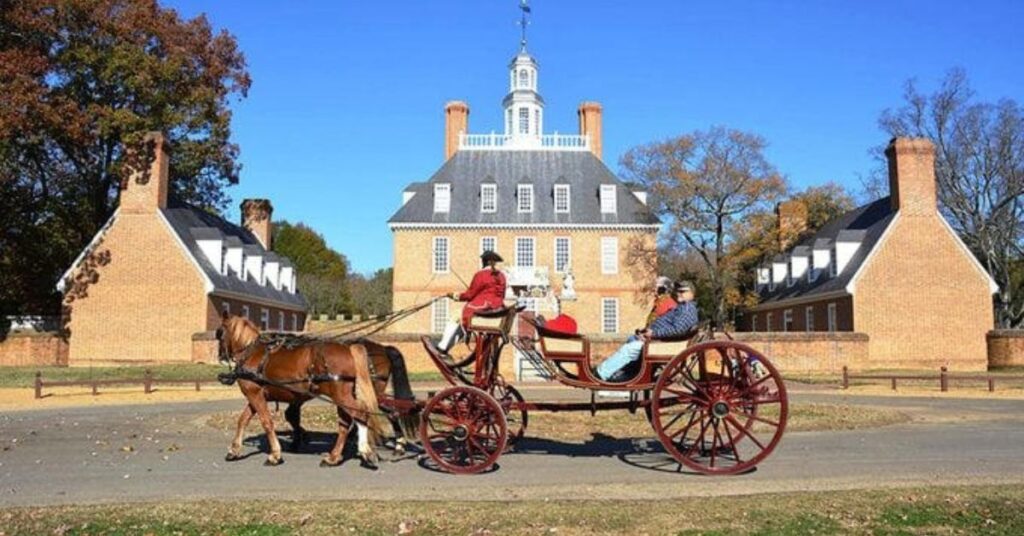
Bolivia’s cities showcase stunning colonial architecture alongside pre-Columbian ruins, creating layers of history waiting to be explored.
Sucre, Bolivia’s constitutional capital, gleams with white-washed colonial buildings that earned it UNESCO World Heritage status. The city offers a more relaxed vibe than La Paz, with pleasant weather year-round. It’s also one of South America’s best places to learn Spanish, with numerous schools offering affordable one-on-one lessons.
Beyond language studies, Sucre rewards wandering. Climb to the roof of Templo de San Felipe Neri for panoramic red-tile rooftops, visit the dinosaur footprint site at Cal Orck’o, or simply enjoy excellent coffee in the many cafes around Plaza 25 de Mayo.
Potosí, once one of the world’s richest cities due to silver mining, provides sobering historical context. The town sits at 4,090 meters, making it one of the world’s highest cities. While controversial mine tours exist, I recommend focusing on the city’s colonial architecture and museums that tell its complex history without directly contributing to ongoing exploitation.
Tiwanaku, near La Paz, preserves important pre-Incan ruins. This ancient city predates the Inca Empire by centuries and features impressive stone structures including the Gateway of the Sun. It’s one of South America’s most significant archaeological sites for understanding pre-Columbian civilizations.
For those researching things to do in Bolivia santa cruz, this modern city offers a completely different experience. As Bolivia’s largest and most economically vibrant city, Santa Cruz serves as a base for exploring nearby Amboro National Park and the Jesuit Mission churches.
Discover Unique Natural Wonders
Beyond its famous attractions, Bolivia hides lesser-known natural treasures that reward curious explorers.
Torotoro National Park combines dramatic landscapes with fascinating paleontology. The park features deep canyons, waterfalls, limestone caves, and some of South America’s best-preserved dinosaur footprints. The tracks are remarkably clear, with some trails allowing you to stand right next to prints from creatures that walked the earth millions of years ago.
Amboro National Park near Samaipata showcases incredible biodiversity where the Amazon, Chaco, and Andes ecosystems converge. Hiking here takes you through lush cloud forests to hidden waterfalls. The park supports over 800 bird species along with spectacled bears, jaguars, and countless other wildlife.
Sajama National Park in western Bolivia features Bolivia’s highest peak, Volcán Sajama at 6,542 meters. The park’s thermal hot springs provide perfect relaxation after hiking, with steaming pools set against dramatic volcanic landscapes.
The train cemetery near Uyuni offers quirky photo opportunities. Dozens of rusted locomotives abandoned decades ago when mining industries collapsed now sit eerily in the desert. It’s become a surprisingly popular spot for creative photography.
These diverse destinations ensure that even extended trips to Bolivia keep revealing new surprises. There’s always another canyon to explore, another lagoon to discover, or another village to visit.
Adventure Sports and Activities
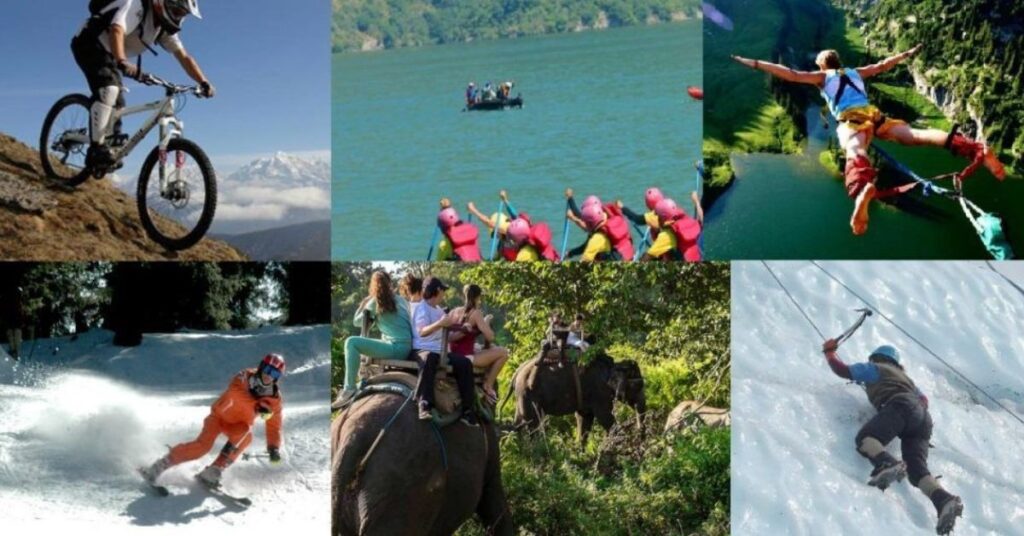
For adrenaline seekers, Bolivia delivers heart-pumping experiences beyond cycling Death Road.
Horseback riding around Tupiza takes you through red rock formations reminiscent of the American Southwest. The area’s dramatic canyons and valleys earned it the nickname “Bolivia’s Wild West.” Multi-day riding expeditions are available, though even short morning rides showcase spectacular scenery.
Sandboarding in the dunes around Uyuni provides unexpected fun in this high-altitude environment. Several tour operators offer equipment and transport to the dunes, where you can try your hand at this desert sport.
Rock climbing opportunities exist in various locations, with Sucre and La Paz offering established climbing routes. Equipment rental and guides can be arranged through local adventure tour companies.
For water enthusiasts, white-water rafting on the Río Coroico and other rivers provides thrilling rides through tropical landscapes. The best rapids run during the rainy season, roughly November through March.
Many of these activities can be arranged on short notice once you’re in Bolivia, allowing flexible itinerary adjustments based on weather and your interests. When researching best things to do in Bolivia reddit threads, you’ll find these adventure sports consistently mentioned by travelers seeking active experiences.
Practical Tips for Exploring Bolivia
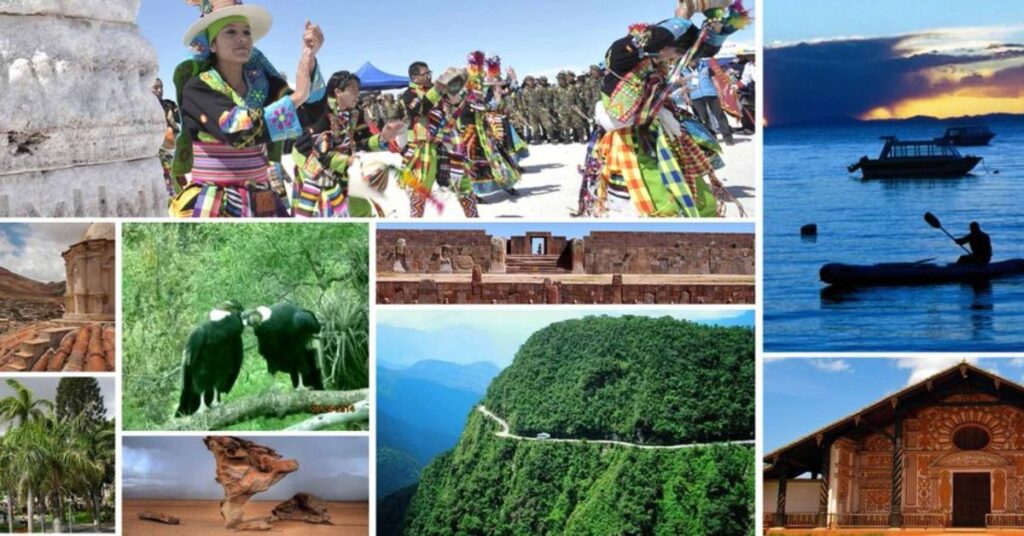
Understanding a few practical considerations will help you make the most of your Bolivian adventure.
Altitude affects everyone differently. La Paz sits at 3,640 meters, while many attractions exceed 4,000 meters. Give yourself time to acclimatize, drink coca tea, stay hydrated, and avoid alcohol for the first few days. Altitude sickness can ruin entire trips if not properly managed.
Transportation within Bolivia requires patience. Roads can be rough, and delays are common. Domestic flights save time but cost more. Night buses work for budget travelers, though day travel allows you to enjoy spectacular scenery.
Cash remains king throughout Bolivia. ATMs exist in major cities but can be unreliable. Always carry enough cash when heading to remote areas, and small bills make transactions easier since change is often unavailable.
Spanish fluency helps enormously, especially outside main tourist areas. Few locals speak English, so learning basic phrases or using translation apps becomes essential for meaningful interactions.
Safety generally isn’t a major concern in Bolivia compared to some neighboring countries, but standard precautions apply. Avoid displaying expensive items, be cautious in crowded areas, and arrange reliable transportation for nighttime activities.
The best time for most things to do in Bolivia falls during the dry season from May to October. However, each season offers different advantages depending on your specific interests and destination.
Planning Your Bolivia Itinerary
With so many incredible experiences available, planning what to prioritize can feel overwhelming. A well-structured itinerary ensures you don’t miss the essentials while leaving room for spontaneity.
For a two-week trip, I recommend spending 3-4 days around La Paz exploring the city, Valle de la Luna, and nearby hikes. Then dedicate 3-4 days to the Salar de Uyuni and surrounding areas. Add 2-3 days for Copacabana and Isla del Sol, with remaining time split between Sucre and one other destination based on your interests.
Families considering things to do in Bolivia with kids should focus on lower-altitude destinations and avoid the most strenuous hikes. Copacabana, Sucre, and Samaipata all offer family-friendly activities at more manageable elevations. The cable cars in La Paz also work great for children.
Adventure seekers might prioritize Death Road cycling, Amazon tours, and challenging hikes, potentially skipping some colonial cities to maximize outdoor time. The flexible nature of Bolivia travel allows you to create an itinerary matching your specific interests and physical abilities.
Whatever you choose, don’t try to see everything. Bolivia deserves slow travel. Spending quality time in fewer places creates richer experiences than rushing through numerous destinations checking boxes on a list.
Conclusion: Your Bolivia Adventure Awaits
Bolivia is a country full of surprises, beauty, and adventure. From the magical salt flats of Uyuni to the peaceful waters of Lake Titicaca, every place feels special and unique. The landscapes are breathtaking, the culture is rich, and the people are warm and welcoming. Whether you love nature, history, or adventure, Bolivia gives you something unforgettable.
Traveling here teaches you to slow down, explore deeply, and enjoy every moment. It’s not just about seeing places, it’s about feeling them. So pack your bags, stay curious, and let Bolivia show you why it’s one of South America’s hidden treasures. Every journey here becomes a story worth telling.
FAQs
1. What is the best time to visit Bolivia?
The best time to visit Bolivia is during the dry season, from May to October, when skies are clear and roads are easier to travel.
2. How many days do you need to explore Bolivia?
Ideally, spend 10–14 days covering highlights like La Paz, Salar de Uyuni, Lake Titicaca, and Sucre without feeling rushed.
3. Do I need a visa to visit Bolivia?
Visa requirements depend on your nationality. Many countries get visa-free entry for up to 90 days before traveling.
4. Is Bolivia safe for tourists?
Yes, Bolivia is generally safe, but take normal precautions to avoid isolated areas at night and keep valuables secure.
5. What are the top things to do in Bolivia?
Top attractions include Salar de Uyuni, La Paz cable cars, Death Road cycling, Lake Titicaca, and Laguna Colorada.