

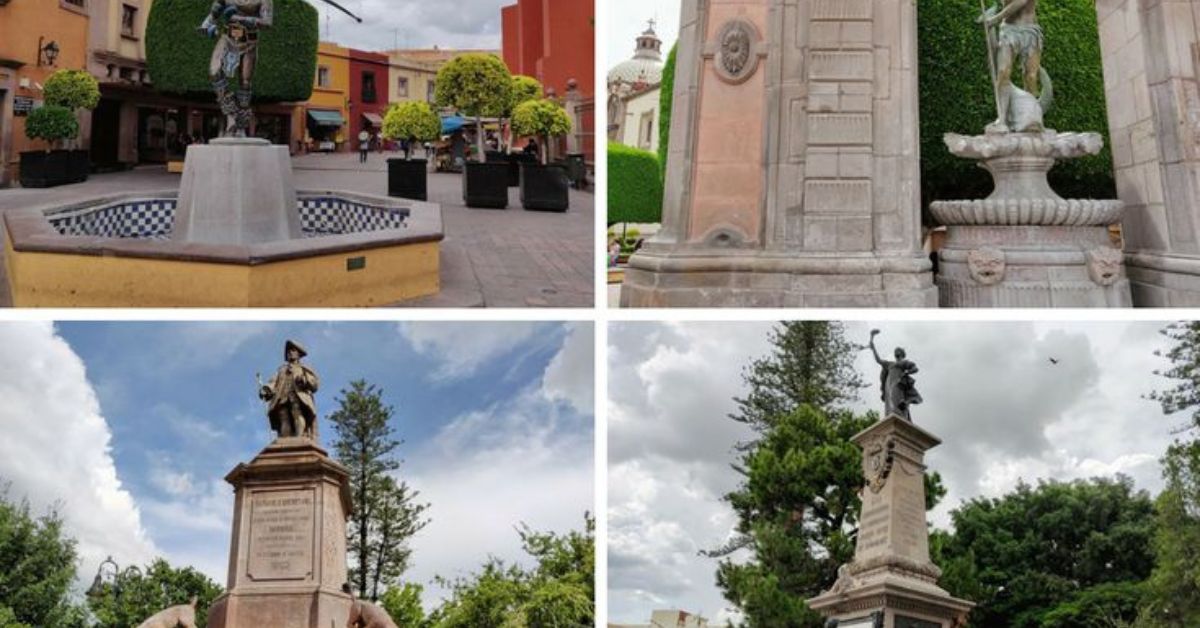
Picture this: colonial arches stretching across the sky, baroque churches gleaming in golden sunlight, and cobblestone streets that whisper stories of revolution and romance. Welcome to Queretaro, one of Mexico’s most captivating yet underrated gems.
While San Miguel de Allende steals most of the spotlight in central Mexico, Queretaro offers something equally magical but with fewer crowds and more authentic local experiences.
Whether you’re planning a weekend escape or a week long adventure, this UNESCO World Heritage city delivers an incredible blend of history, culture, gastronomy, and natural beauty. From free attractions perfect for budget travelers to romantic sunset spots and family friendly activities, Queretaro has something special for every type of traveler.
Explore the Historic Centro and Colonial Architecture
The heart of Queretaro beats strongest in its historic center, where every corner reveals architectural treasures from Mexico’s colonial past.
Start your exploration at Plaza de Armas, the main square where locals and visitors gather beneath perfectly manicured trees. The plaza buzzes with energy as children play, street vendors sell handcrafted dolls and jewelry, and mariachi music drifts through the air.
This is one of the best free things to do in Queretaro Mexico, perfect for people watching while soaking in the city’s vibrant atmosphere.
The colonial buildings surrounding the plaza showcase exquisite baroque architecture with their colorful facades, ornate doorways, and decorative balconies. Look up and you’ll notice the traditional tiled rooftops that give Queretaro its distinctive character.
Don’t miss Casa de la Ecala, built in the 18th century as the governor’s residence. Its gorgeous arcade on the ground floor and intricately crafted iron balconies above make it one of the most photographed buildings in the city.
Walking through the historic center feels like stepping into a living museum. The streets are impeccably maintained, and you’ll find yourself constantly pausing to admire architectural details you might otherwise miss.
Marvel at the Iconic Queretaro Aqueduct
No visit to Queretaro is complete without seeing its most famous landmark: the magnificent 18th century aqueduct that stretches 1,280 meters across the city.
With 74 towering arches reaching 28.5 meters into the sky, this engineering marvel was built to transport water from mountain springs to the convent in town. The structure stands as a testament to colonial ingenuity and reportedly was inspired by love, as local legend claims the Marquis Juan Antonio built it to win the heart of a nun.
The best vantage point for the aqueduct is from the Mirador de los Arcos, a lookout that offers panoramic views of all the arches stretching across Queretaro. This spot is particularly stunning at sunset when the stone arches glow golden against the evening sky, making it one of the most romantic things to do in Queretaro.
For a different perspective, walk beneath the arches at night when they’re beautifully illuminated. The area underneath becomes a magical setting perfect for photography, and it’s one of the top things to do in Queretaro at night when the crowds thin out and the temperature cools.
The aqueduct is part of Queretaro’s UNESCO protected zone, and it’s completely free to visit anytime, making it an essential stop on any itinerary.
Discover the Story of La Corregidora
Behind the Mirador de los Arcos, you’ll find the Pantheon of Illustrious Queretanos, a cemetery reserved for the city’s most notable figures. At its center stands the mausoleum of Josefa Ortiz de Dominguez, known as La Corregidora.
This remarkable woman played a pivotal role in Mexican independence. When Spanish authorities discovered the independence conspiracy, her husband locked her away to prevent her from warning her allies.
Legend says she knocked on the walls to alert her neighbor, triggering a message that reached Miguel Hidalgo in Dolores, who then gave the famous “Grito” cry to arms that launched Mexico’s War of Independence.
La Corregidora’s legacy appears throughout the city. You can visit the house where she was imprisoned near Plaza de Armas, now a government building but still an important historical site.
Understanding her story adds depth to exploring Queretaro, as you’ll see monuments and street names honoring this Mexican heroine throughout your visit.
Experience Templo de Santa Rosa de Viterbo

Among Queretaro’s many spectacular churches, Templo de Santa Rosa de Viterbo stands out as an absolute masterpiece of Mexican baroque architecture.
The exterior alone will take your breath away with its pale pink and stone facade featuring intricate carvings by local sculptor Ignacio Mariano de las Casas. But step inside and you’ll discover why this is considered one of architect Francisco Martinez’s greatest works.
The interior explodes with gold leaf decoration, hand carved wooden details, and elaborate religious art covering every surface. The craftsmanship is extraordinary, with each corner revealing new artistic treasures.
The church regularly hosts unique art exhibitions alongside its religious functions, blending contemporary creativity with historical grandeur. It’s free to enter, though donations are appreciated to help maintain this architectural gem.
Visit during morning hours when natural light streams through the windows, illuminating the golden details in the most spectacular way. This church makes for stunning photographs and offers insight into the religious artistry that defined colonial Mexico.
Visit Templo y Ex Convento de la Santa Cruz
The Temple and former Convent of Santa Cruz offers one of the most fascinating historical experiences in Queretaro. For just 20 pesos, young volunteer guides lead tours sharing the legends and verified history of this significant site.
The monastery was founded in the 16th century on the spot where Spanish conquistadors supposedly saw a miraculous cross in the sky during their battle against indigenous forces. Whether you believe the legend or not, the site carries tremendous historical and cultural weight.
The convent served various purposes throughout history, including as a fortress, prison, and even headquarters during the Mexican Empire. Emperor Maximilian was held here before his execution at nearby Cerro de las Campanas.
The guides bring these stories to life with theatrical flair, making history accessible and entertaining for visitors of all ages. You’ll hear about ghostly apparitions, secret tunnels, and political intrigue that shaped Mexico’s independence.
The tour includes access to beautiful courtyards with original colonial architecture, religious art collections, and the chance to see where major historical events unfolded. It’s educational yet engaging, making it one of the best things to do in Queretaro with kids who might find traditional museums boring.
Take a City Tour on the Vintage Diligencias
For a unique introduction to Queretaro, hop aboard one of the electric replica Model T cars known as diligencias that zip around the historic center.
These charming vehicles seat several passengers comfortably and are driven by English speaking guides dressed as old timey chauffeurs complete with waistcoats and flat caps. The guides share fascinating stories, legends, and historical facts as you cruise past major landmarks.
The tour covers the historic center, important churches, former convents, the stunning aqueduct, and the old train station turned museum. You’ll learn how Queretaro played a crucial role in Mexican independence and hear romantic legends about the city’s colonial past.
Tours depart every half hour throughout the day, making it easy to fit into your schedule. The rides last about an hour and provide excellent orientation for first time visitors. You’ll get your bearings and identify places you want to return to explore more thoroughly on foot.
This is particularly valuable for families or travelers with limited mobility, as it covers significant ground without requiring extensive walking. The diligencias represent one of the best things to do in Queretaro city to maximize your sightseeing in limited time.
Explore the Museums and Cultural Centers
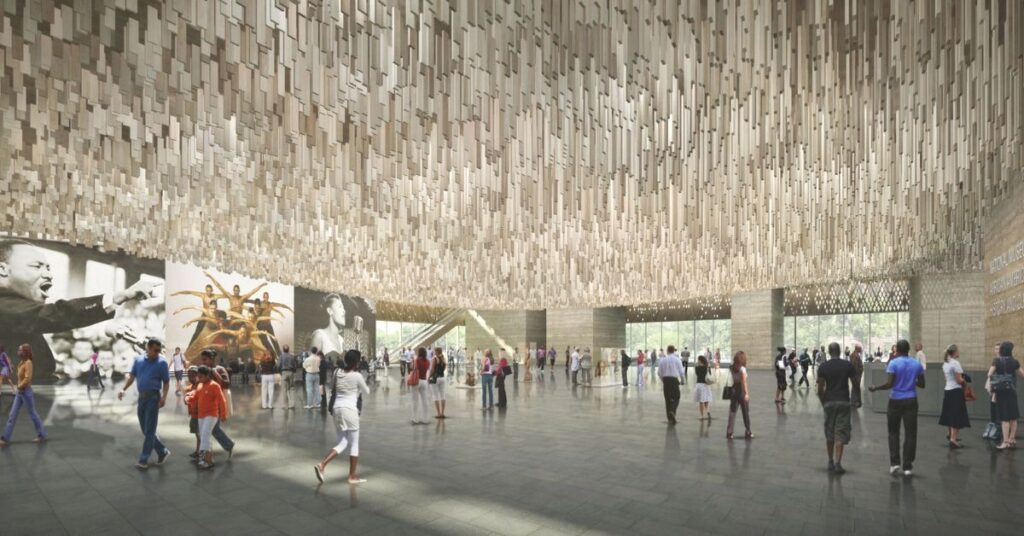
Queretaro takes its cultural offerings seriously, with numerous museums catering to diverse interests. Most museums close on Mondays, so plan accordingly.
The Museum of Contemporary Art Queretaro is completely free and features rotating exhibitions from Mexican and international artists. Located just off Plaza Fundadores, the museum occupies a beautiful historic building with exhibition spaces around a central courtyard. Outdoor sculptures provide excellent photo opportunities, while indoor galleries showcase thought provoking contemporary pieces.
The MUCAL Calendar Museum offers a quirky deep dive into the history of calendars across different civilizations. Housed in an old colonial home, the museum features everything from ancient Mesoamerican calendar systems to vintage Mexican pin up calendars. The highlight is a wooden replica of the famous Aztec Sun Stone from Mexico City’s Anthropology Museum.
The grounds include lovely gardens perfect for a coffee break at the on site cafe. Entry costs just 50 pesos, and you can easily see everything in about 45 minutes.
For traditional art lovers, the Museum of Art of Queretaro displays colonial and contemporary works in a former monastery. The multiple rooms showcase permanent and temporary exhibitions, with particularly strong collections of religious art and regional pieces.
The Regional Museum in the former Convent of San Francisco features archeological artifacts, colonial era items, and exhibits explaining Queretaro’s role in Mexican history. The colorful central patio alone makes the visit worthwhile.
Indulge in Queretaro’s Food Scene
Food in Queretaro deserves its own vacation. The city blends traditional Mexican flavors with innovative culinary creativity, satisfying every palate and budget.
Start your mornings at La Biznaga, a colorful restaurant known for its artistic decor and outstanding breakfast dishes. The vibrant atmosphere and creative presentations make it a local favorite where food becomes art.
For authentic street food, explore the numerous taco stands and food vendors around the historic center. The gorditas, tacos, and tamales showcase regional specialties prepared with traditional techniques passed down through generations.
Don’t miss the churros con chocolate experience at Fabrica De Chocolate on Andador 5 de Mayo. The churros are made fresh to order, perfectly crispy outside and fluffy inside. Pair them with authentic Mexican drinking chocolate, lightly spiced rather than overly sweet, served hot, cold, or blended. This represents one of the most delicious free things to do in Queretaro Mexico if you’re just window shopping, though you’ll definitely want to buy some.
For a guided culinary adventure, join a Tacos and Tequila tour led by local experts who know all the hidden gem eateries tourists typically miss. These tours include multiple tastings from carefully selected vendors, giving you insider access to the best local flavors.
Queretaro’s dining scene extends beyond traditional Mexican food with excellent international options, craft beer pubs, and wine bars. The city’s growing reputation as a culinary destination means you’ll eat remarkably well at every price point.
Sample Local Sweets and Treats
Queretaro has a sweet side that deserves special mention, particularly its famous Pedos de Monja or “Nun Farts.”
These chocolate truffles come in dark or milk varieties spiked with almond liqueur. The amusing name has an unclear origin, but these delicate confections make popular gifts and souvenirs unique to the region.
Find them at El Palacio del Chocolate, where all treats are handcrafted using premium Mexican ingredients. The shop also offers gorgeous bombones in flavors like mezcal and cinnamon, plus a cafe serving drinking chocolate, breakfast, and snacks.
The local markets sell traditional Mexican candies including cajeta (goat milk caramel), tamarind candies, and coconut treats. Vendors enthusiastically offer samples, making it easy to discover new favorites among the colorful displays.
For cheese lovers, Queretaro’s proximity to dairy farms means exceptional artisanal cheeses. The Pueblos Magicos of Tequisquiapan and nearby areas produce award winning varieties you can sample at markets and specialty shops.
Enjoy Things to Do in Queretaro at Night
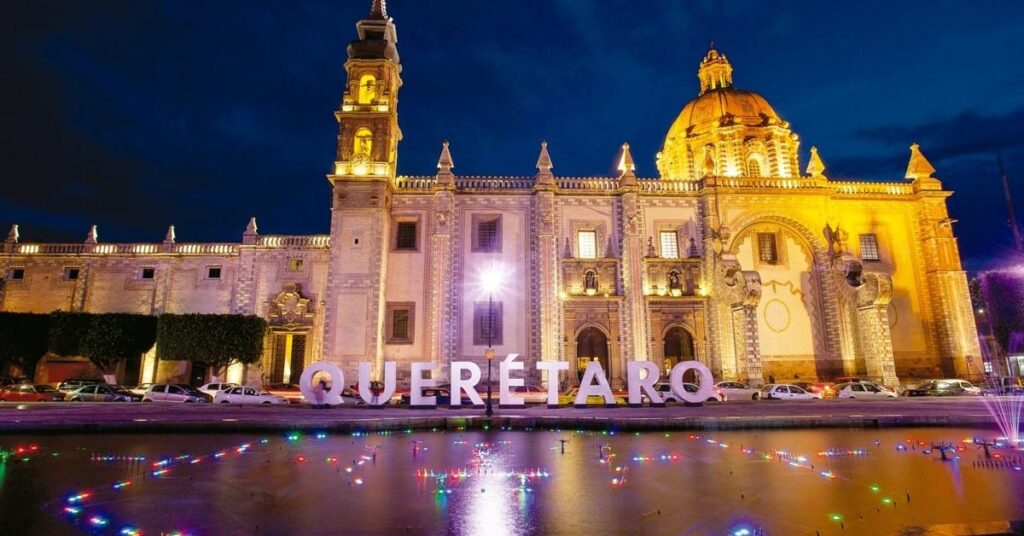
As the sun sets, Queretaro transforms into an enchanting evening destination with activities suited for different moods.
Head to Terrazza La Grupa, a rooftop bar and restaurant atop Hotel Casa Aspeytia, for sunset cocktails with views over illuminated churches and colonial buildings. Live jazz music typically sets the mood while you sip expertly crafted drinks by firelight under the stars.
For world class cocktails, visit Dodo Cafe in Centro Historico. The mixologists here create some of the best drinks in Mexico, and they’re occasionally brought in as guest bartenders at top Mexico City establishments. The cozy atmosphere, reasonable prices, and excellent food menu make it perfect for a sophisticated night out.
Every weekend at Jardin Zenea, the Queretaro State Band performs free live concerts that have been a tradition for over 80 years. Locals gather to dance traditional dances, creating a festive atmosphere that welcomes visitors to join or simply watch.
On Saturdays at 7:10 PM, take the Myths and Legends Walking Tour where costumed storytellers dramatically reenact seven of the city’s most intriguing legends. Accompanied by live musicians, they lead you through the oldest alleys and areas while bringing centuries old stories of love, loss, and revolution to life.
The illuminated aqueduct provides a romantic backdrop for evening strolls, and the historic center’s pedestrian streets come alive with couples, families, and friends enjoying the cool evening air. These activities represent some of the most romantic things to do in Queretaro when the city reveals its magical side.
Visit El Cerrito Archaeological Site
Queretaro’s pre Hispanic history comes alive at El Cerrito, an archaeological zone featuring one of the largest pyramids in Mexico.
The site dates back to 300 BC, making it 700 years older than Chichen Itza. Various civilizations inhabited El Cerrito over the centuries, using it as a ceremonial center for fertility goddess worship, religious pilgrimages, and as a trading hub with connections reaching as far as Guatemala.
The most unusual feature is El Fortin, a colonial structure built directly on top of the grand pyramid in 1886. While this seems shocking today, the building itself is now considered a historic monument, creating a unique layering of Mexican history across different eras.
Beyond the main pyramid, seven other ruins dot the beautifully maintained grounds, along with a small museum explaining the site’s complex history. The location sits at the border where agricultural Mesoamerican peoples and nomadic hunter gatherers met, making it culturally significant for understanding ancient Mexican civilization.
Entry costs 75 pesos, and the site is located about 5 kilometers from the historic center, easily reached by taxi or rideshare. The gardens are peaceful, offering a tranquil break from the busier downtown areas.
Relax at Cimatario National Park
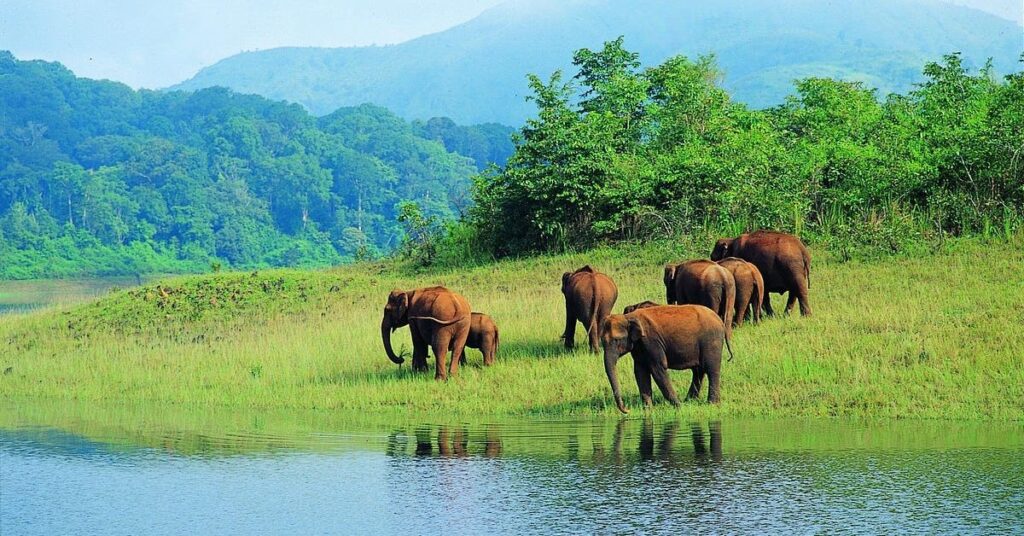
When you need to escape city life, Cimatario National Park provides a green oasis perfect for nature lovers.
The park features hiking trails winding through hills with spectacular views over Queretaro. It’s not a challenging hike, making it accessible for most fitness levels, though you’ll want to bring water and sun protection.
The park maintains a small lake and a bird nursery that cares for injured hawks, owls, and other species that couldn’t survive in the wild. Seeing these magnificent birds up close offers educational value, especially for children interested in wildlife.
On clear days, the views from various points in the park stretch across the valley, showcasing Queretaro’s geography and surrounding mountains. It’s one of the best free things to do in Queretaro Mexico for active travelers who want fresh air and exercise without venturing far from the city.
The park is generally safe during daylight hours and attracts families, joggers, and cyclists. Visit early morning for cooler temperatures and the best chance of spotting wildlife.
Pamper Yourself at La Casa del Atrio Spa
Looking for relaxation? The spa at La Casa del Atrio boutique hotel offers one of Queretaro’s most unique experiences: rooftop Tina hydrotherapy.
The Tinas are clawfoot bathtubs positioned on the rooftop overlooking neighboring church steeples. You choose Epsom salts based on whether you want to relax, detox, or energize, then soak for 30 to 40 minutes in warm, scented water while gazing at Queretaro’s skyline.
The spa offers various affordable a la carte services including massages, facials, and body treatments, plus packages for couples, friends, and individuals. The Tina can be added to any treatment or booked separately as part of a combo.
This represents one of the most romantic things to do in Queretaro for couples seeking a pampering experience without the typical resort prices. The intimate setting and stunning views create an unforgettable relaxation session.
Even if you’re not staying at the hotel, you can book spa services. Call ahead to reserve your preferred time, especially for weekend visits when slots fill quickly.
Shop Local Artisan Goods
Supporting local artisans while finding unique souvenirs makes shopping in Queretaro particularly rewarding.
Visit Talento Nativo and Colectivo Mercantil Queretaro, neighboring artisan collectives just off Plaza de Armas. Talento Nativo focuses on clothing and unusually designed purses and handbags, while Colectivo Mercantil offers everything from craft beer to gourmet salts, gold jewelry, and hand painted postcards.
Everything sold here is made by Mexican artisans, and you might even meet the creators working in the shops. The business model supports local artists directly, ensuring your purchases genuinely benefit the community.
Throughout the historic center, street vendors sell handcrafted Maria dolls, traditional Mexican textiles, leather goods, and silver jewelry. Take time to chat with vendors, many of whom create their products themselves and appreciate questions about their craft.
The markets offer colorful displays of traditional Mexican items at various price points. Negotiation is expected in markets but less common in established shops. Regardless, the prices generally remain reasonable compared to tourist-heavy destinations.
Experience Cerro de las Campanas
Cerro de las Campanas, the Hill of the Bells, is a national park with deep historical significance located near the university, about 10 minutes from downtown.
This site witnessed the execution of Emperor Maximilian I of Mexico in 1867. After Mexico gained independence from Spain in 1821, French forces installed Austrian Archduke Ferdinand Maximilian as emperor four decades later. His three year rule ended when he was convicted of conspiring against the Mexican government and sentenced to death by firing squad on this very hill.
A chapel marks the execution spot, with graves inside commemorating Maximilian and his two generals. The park also features a towering 13 meter statue of President Benito Juarez positioned to gaze directly at Maximilian’s resting place, symbolizing Mexican sovereignty over foreign rule.
The park gets its name from local rocks that sound like bells when knocked together, so don’t be surprised to see visitors tapping stones. The 58 hectare grounds include walking paths, gardens, and numerous steps leading to various viewpoints.
It’s free to enter and offers a peaceful setting for understanding this pivotal moment in Mexican history, making it one of the more meaningful things to do in Queretaro for history enthusiasts.
Day Trip to Bernal and its Monolith
About an hour from Queretaro, the Pueblo Magico of Bernal enchants visitors with its colorful streets and the impressive Peña de Bernal, the third largest monolith in the world.
This massive rock formation towers 350 meters above the charming pueblo, creating a dramatic backdrop for photos. The town itself maintains traditional Mexican architecture with brightly painted buildings, cobblestone streets, and artisan shops selling local crafts.
Hiking the monolith is one of the most popular activities. The path reaches a certain height before requiring climbing equipment and expert guides to continue. Even the initial hike offers spectacular valley views and a good workout.
If you’re not into hiking, numerous cafes and restaurants positioned to showcase monolith views provide perfect spots to relax over coffee or a meal. The area also hosts several wineries, including the famous Freixenet producer of Mexican sparkling wine.
Bernal gets crowded on weekends and holidays, so visit on weekdays for a more peaceful experience. The town is easily reached by bus or car, making it ideal for things to do in Queretaro with kids who will enjoy the pueblo’s playful atmosphere and ice cream shops.
Explore the Wine and Cheese Route

Queretaro’s Wine and Cheese Route showcases the region’s growing reputation for quality wine production and artisanal cheese making.
The route includes numerous wineries producing red, white, rosé, and sparkling wines across the Queretaro region. Finca Sala Vivé, home to Freixenet Mexico, offers tours and tastings of their world famous sparkling wines in a beautiful vineyard setting.
Smaller boutique wineries provide more intimate experiences where you can meet winemakers and learn about Mexican viticulture. Many wineries pair tastings with local cheeses, creating perfect flavor combinations.
Organized tours handle transportation between wineries, allowing you to taste freely without worrying about driving. These tours often include visits to Bernal or Tequisquiapan, combining wine country with pueblo magic exploration.
For cheese enthusiasts, several producers welcome visitors to see traditional cheese making processes and sample products. The dairy rich region produces everything from fresh queso fresco to aged varieties with complex flavors.
The Wine and Cheese Route represents one of the best things to do in Queretaro Mexico for foodies and wine lovers seeking authentic agritourism experiences.
Visit Tequisquiapan
Another nearby Pueblo Magico, Tequisquiapan offers a different charm with its focus on wellness, hot springs, and craft markets.
The town is particularly famous for its pretty pink church dominating the central plaza. Surrounding streets feature colorful colonial architecture, artisan shops selling textiles and crafts, and numerous restaurants serving traditional Queretaro cuisine.
Tequisquiapan hosts one of Mexico’s largest craft markets on weekends, where vendors sell everything from woven baskets to silver jewelry and traditional Mexican clothing. It’s a shopper’s paradise for authentic handmade goods.
The area’s natural hot springs have made it a wellness destination for generations. Several spas and hotels offer thermal water treatments, massages, and relaxation packages.
Wine tourism thrives here too, with local vineyards offering tastings and tours. The tourism board organizes tram tours through wine country that include samples, making it easy to explore without renting a car.
Tequisquiapan is reachable by bus in about 40 minutes, making it one of the easiest day trips from Queretaro and excellent for things to do in Queretaro at night if you want to escape the city for dinner in a different setting.
Adventure in Sierra Gorda
For nature enthusiasts, the Sierra Gorda Biosphere Reserve offers some of central Mexico’s most spectacular landscapes and outdoor activities.
This UNESCO protected area carved from the Sierra Madre Oriental mountains features dramatic canyons, waterfalls, cloud forests, caves, and diverse ecosystems ranging from desert to jungle. The biodiversity is extraordinary with hundreds of bird species and rare wildlife.
Activities include hiking, canyoning, rappelling, zip lining, fishing, and exploring caves. The natural beauty provides endless photography opportunities with sweeping vistas at every turn.
The Pueblo Magico of Jalpan de Serra serves as the gateway to Sierra Gorda, featuring five Franciscan missions recognized as UNESCO World Heritage Sites. These 18th century missions blend European and indigenous artistic traditions in remarkable architecture.
Sierra Gorda sits about 90 minutes from Queretaro city, with winding mountain roads that become part of the adventure. Day trips are possible, though staying overnight allows more time to explore this vast wilderness area.
Organized tours handle logistics and include expert guides familiar with the best sites and safest routes for various activities, making it accessible even for visitors without outdoor expertise.
Discover Grutas Tolantongo
Grutas Tolantongo ranks among Mexico’s most spectacular natural wonders, featuring hot spring grottos carved into mountainsides overlooking dramatic valleys.
The park includes several distinct areas: the main grottos with thermal pools inside mountain caves, a thermal river flowing through the canyon, cascading waterfalls, suspended pools, a natural tunnel, and various hiking trails.
The aquamarine thermal water maintains perfect temperatures year round, creating a surreal bathing experience against the backdrop of towering cliffs. The grottos themselves feel almost otherworldly as steam rises in the natural chambers.
A full day allows exploration of most areas, though many visitors camp overnight to experience sunrise over the canyon. The site provides basic accommodations and camping areas, though facilities are rustic.
Located in neighboring Hidalgo state about two hours from Queretaro, Grutas Tolantongo requires planning but delivers an unforgettable experience. Organized tours from Queretaro provide the easiest access, handling the long drive and entrance logistics.
This destination works beautifully for families and adventurers alike, with activities suitable for various ages and abilities. It represents one of the most unique things to do in Queretaro with kids who will remember the magical grottos forever.
Visit San Miguel de Allende
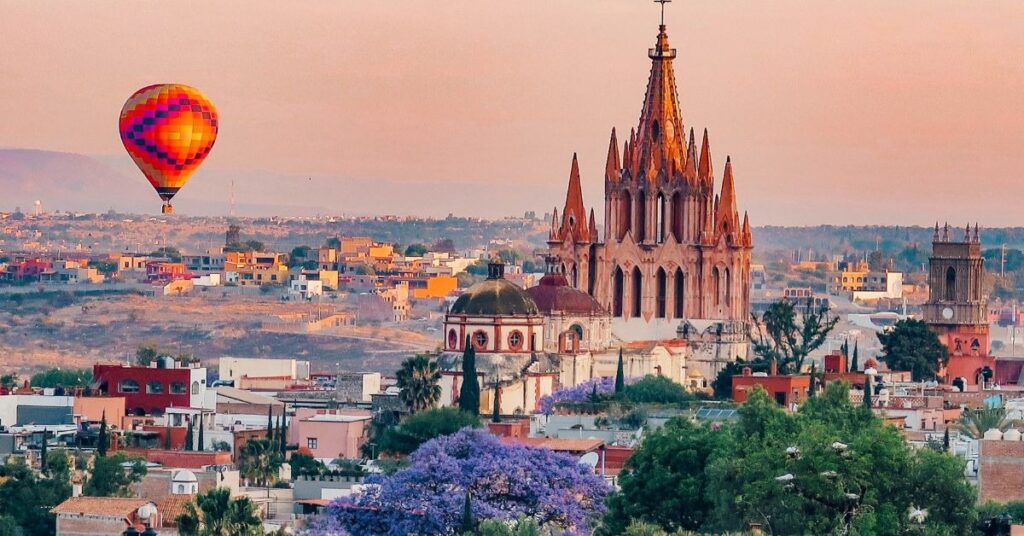
Just over an hour from Queretaro, San Miguel de Allende offers additional colonial charm and artistic flair worth a day trip.
This UNESCO World Heritage town captivates with its pink Parroquia de San Miguel Arcangel rising like a fairytale castle above the main square. The entire town maintains strict architectural preservation rules, creating an impossibly picturesque setting.
San Miguel’s food scene rivals any in Mexico, with innovative restaurants, excellent coffee shops, and rooftop bars offering sunset views. The town attracts a large expat community, resulting in English language comforts while maintaining authentic Mexican character.
Art galleries fill the streets showcasing work from local and international artists. The neighborhood of Colonia Guadalupe bursts with colorful street murals creating an outdoor art gallery worth exploring.
Hot springs surround San Miguel, providing relaxation opportunities after sightseeing. The area also offers unique attractions like the Chapel of Jimmy Ray, an eclectic art installation worth seeking out.
Frequent buses connect Queretaro and San Miguel, making it easy to visit for a day or use as a base to explore both cities. Many travelers combine the two destinations for a comprehensive central Mexico experience.
Practical Tips for Visiting Queretaro
Queretaro is remarkably safe compared to many Mexican cities, with visible security and well lit streets in tourist areas. Standard travel precautions apply, but most visitors feel comfortable walking around Centro day and night.
English is not widely spoken outside major hotels and tourist services. Download Spanish on Google Translate’s offline mode, learn basic phrases, and be patient when communicating. Most locals appreciate any attempt to speak Spanish, and hand gestures go far when words fail.
The historic center is completely walkable with flat terrain and pedestrian friendly streets. For longer distances, Uber and DiDi offer reliable, affordable rideshare services with DiDi typically cheaper and having more available drivers.
Most museums close Mondays, so plan cultural activities for other days. Many restaurants also close Mondays or Tuesdays, so check before setting your heart on a specific spot.
Queretaro’s climate is generally mild and sunny with warm days and cool evenings year round. Bring layers and comfortable walking shoes, as you’ll cover significant ground exploring the city.
ATMs are plentiful in Centro, and most restaurants accept cards, but smaller vendors and markets deal in cash. Having pesos on hand ensures you never miss an opportunity for street food or market purchases.
Why Queretaro Deserves Your Attention
Queretaro offers everything travelers seek in a Mexican destination without the overwhelming crowds or inflated prices of more famous cities.
The city delivers authentic cultural experiences where local life continues naturally rather than existing primarily for tourists. You’ll interact with residents going about their daily routines, eat where locals eat, and discover places guidebooks haven’t turned into tourist traps yet.
The combination of history, architecture, food, nature, and nearby attractions provides remarkable variety within a compact area. Whether you have two days or two weeks, Queretaro fills your itinerary with memorable experiences.
Families find things to do in Queretaro with kids that educate and entertain simultaneously. Couples discover romantic things to do in Queretaro perfect for anniversaries and honeymoons. Budget travelers enjoy numerous free things to do in Queretaro Mexico alongside affordable paid attractions.
The city’s central location makes it an ideal base for exploring central Mexico, with easy access to San Miguel de Allende, Guanajuato, and Mexico City. Many travelers use Queretaro as their landing spot, appreciating the international airport and calmer introduction to Mexican travel.
As word spreads about Queretaro’s charms, the city won’t remain under the radar forever. Now is the perfect time to experience this colonial gem before mass tourism changes its character. You’ll return home with stories of a Mexico most travelers never see, having discovered one of the country’s best kept secrets.
Conclusion
Queretaro is a city full of history, color, and warm local vibes. Its colonial streets, iconic landmarks, and delicious food make it a place where every traveler can find something special. Whether you’re exploring the aqueduct, enjoying local sweets, or simply walking through the historic center, the city feels inviting and full of life.
It’s also a great base for day trips, wine routes, outdoor adventures, and nearby magic towns. Queretaro offers real Mexican culture without big crowds or high prices. It’s safe, easy to explore, and perfect for families, couples, and solo travelers. No matter how long you stay, this charming city will leave you wanting to come back.
FAQs
1. Is Queretaro safe for tourists?
Yes, it’s one of the safest cities in Mexico, especially in the historic center.
2. How many days do I need in Queretaro?
Two to four days are enough to explore the main attractions and take a day trip.
3. What is Queretaro most famous for?
It’s known for its colonial architecture, aqueduct, UNESCO historic center, and wine country.
4. Do people speak English in Queretaro?
Some do in tourist areas, but learning a few Spanish phrases is very helpful.
5. What is the best time to visit Queretaro?
The weather is pleasant year-round, but October to April offers the most comfortable temperatures.